A Guide to Outbound Marketing Advantages and Disadvantages
Outbound marketing has been a staple strategy for businesses for decades, playing a significant role in shaping how brands communicate with their audiences. But just like any other approach, it comes with its own set of benefits and challenges. Whether you’re a marketer exploring ways to drive more leads or a business owner deciding how to allocate your marketing budget, understanding the pros and cons of outbound marketing is key to making informed decisions.
This blog will walk you through the advantages and disadvantages of outbound marketing, providing real-world examples and insights along the way. By the end of this guide, you’ll have a clearer idea of whether outbound marketing is the right strategy for your business.
What Is Outbound Marketing
Before diving into the pros and cons, let’s start with a clear understanding of what outbound marketing truly means.
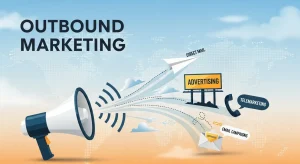
Outbound marketing refers to the practice of actively reaching out to potential customers with your brand’s message, rather than waiting for them to find you. It’s all about pushing your products or services into the market through a variety of channels—such as television and radio ads, cold calls, direct mail, trade shows, billboards, print advertising, and digital ads (like display or social media ads).
Think of outbound marketing as the classic, attention-grabbing form of promotion—the one that seeks to intercept the audience’s attention and spark immediate interest. It’s designed to reach people who may not yet know your brand but fit your target customer profile.
Unlike inbound marketing, which focuses on attracting customers organically through valuable content, SEO, and engagement, outbound marketing takes a more proactive, assertive approach. It gets your brand directly in front of prospects, even if they’re not actively looking for what you offer.
The major strength of outbound marketing lies in its speed and scale. A single campaign can reach thousands—or even millions—of potential customers almost instantly. This makes it an excellent choice for brand awareness, product launches, or time-sensitive offers. However, this visibility often comes at a higher cost, and the return on investment depends heavily on targeting accuracy and message quality.
In short, outbound marketing is about making the first move—pushing your brand out into the world to create demand, spark curiosity, and drive action. Now that we understand how it works, let’s take a deeper look at its advantages, disadvantages, and the best ways to make it work for your business.
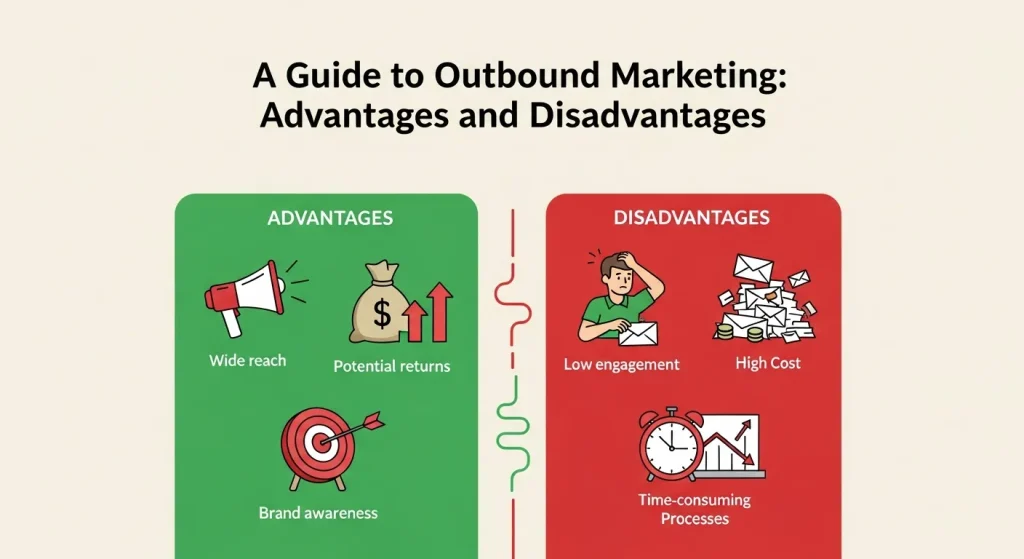
Advantages of Outbound Marketing
Outbound marketing continues to play a vital role in today’s fast-paced business world, especially when brands aim to capture attention quickly and generate immediate visibility. Here are the key advantages that make outbound marketing an essential part of a strong promotional strategy:
1. Direct and Immediate Reach to a Wide Audience
One of the most significant advantages of outbound marketing is its ability to connect with a vast audience almost instantly. Unlike inbound tactics that rely on gradual discovery, outbound campaigns—through TV commercials, radio ads, billboards, and online paid media—can broadcast your message to millions of people at once.
This makes it ideal for product launches, event promotions, or time-sensitive campaigns that demand rapid awareness. For instance, during high-profile events like the Super Bowl, brands invest heavily in ad slots because they know they’ll gain exposure to tens of millions of engaged viewers in real time.
By delivering your message directly to consumers, outbound marketing helps cut through the noise, ensuring your brand is seen and heard—especially in moments when visibility matters most.
2. Proactive Approach
Outbound marketing puts your business in the driver’s seat. Instead of waiting for customers to find you, you actively initiate contact through methods like cold calling, email outreach, trade shows, and digital advertisements.
This proactive strategy is particularly useful for businesses that are building awareness in competitive markets or targeting audiences who may not yet know they need your solution. By pushing your message out strategically, you can start conversations, nurture curiosity, and open the door for future engagement.
For example, targeted cold email sequences or paid retargeting campaigns allow you to reach potential buyers with tailored messages that address their specific pain points—turning cold prospects into warm leads over time.
3. Easy to Scale
Scalability is another key strength of outbound marketing. Whether you’re running digital ads, sponsored campaigns, or email blasts, these channels are highly flexible and easily adjustable.
If a campaign is performing well, scaling it up is as simple as increasing your ad spend or expanding your target list. Similarly, if budget constraints arise, you can quickly reduce exposure without halting your entire marketing momentum.
Modern automation tools—especially in email marketing and CRM systems—make scaling outbound efforts even easier. You can personalize messages at scale, maintain consistency across platforms, and track responses automatically, saving time while maximizing impact.
This makes outbound marketing not only powerful but also manageable and adaptable for businesses of all sizes.
4. Measurable Results
Gone are the days when outbound marketing meant guessing results. With the evolution of digital platforms like Google Ads, Meta (Facebook/Instagram) Ads, and LinkedIn Campaign Manager, outbound campaigns have become data-driven and highly trackable.
Marketers can monitor critical metrics such as impressions, engagement rates, cost per click (CPC), cost per lead (CPL), and return on ad spend (ROAS)—allowing for precise evaluation of campaign performance.
This measurable nature gives businesses the ability to analyze what works, eliminate what doesn’t, and continuously refine strategies for maximum ROI. Real-time dashboards and analytics tools ensure that every dollar spent contributes to tangible, measurable outcomes.
5. Strong Brand Awareness and Recognition
Consistent outbound exposure helps establish brand familiarity and trust, especially when your message appears across multiple touchpoints—like TV, digital banners, print, or outdoor media. Even if your audience doesn’t take action immediately, repeated visibility ensures your brand remains top-of-mind when purchase decisions arise.
Legendary brands like Coca-Cola, Apple, and Nike have long leveraged outbound marketing to maintain dominance. Their memorable ad campaigns not only promote products but also shape brand perception, identity, and emotion.
This consistent visibility doesn’t just drive short-term sales—it builds long-term brand equity, making your business instantly recognizable and credible in the eyes of consumers.
outbound marketing’s strength lies in its speed, reach, and ability to create immediate brand impact. Whether you’re launching a new product, entering a competitive market, or simply trying to boost awareness, outbound strategies offer the momentum and exposure needed to generate measurable, scalable, and lasting results.
Disadvantages of Outbound Marketing
While outbound marketing has undeniable strengths in reach and speed, it also comes with certain challenges that can limit its efficiency—especially in the modern, customer-centric digital era. Understanding these drawbacks is essential to building a balanced, cost-effective marketing strategy.
1. High Costs
One of the most significant downsides of outbound marketing is its high cost of execution, particularly across traditional media channels such as television, radio, print, and outdoor advertising. Producing and placing ads in these formats often requires large budgets, creative resources, and ongoing spending to maintain visibility.
Even in digital formats, costs can escalate quickly depending on audience competition and keyword bidding. For instance, industries like insurance, finance, or legal services often experience extremely high cost-per-click (CPC) rates on Google Ads and social media platforms due to intense market competition.
Without careful budgeting and data-driven campaign optimization, your outbound marketing spend can spiral out of control, resulting in diminishing returns. This makes it crucial for businesses to track ROI closely and balance outbound spending with longer-term inbound investments.
2. Interruptive Nature
Outbound marketing is inherently interruptive—it often pushes messages into consumers’ lives whether they’ve asked for them or not. While this can grab attention, it can also frustrate or alienate potential customers, leading to negative brand perceptions.
Examples include unsolicited cold calls, spam emails, or intrusive pop-up ads that interrupt browsing or daily routines. In an age where consumers increasingly value control and personalization, these tactics can feel outdated or invasive.
Moreover, technological advancements such as ad blockers, spam filters, and “Do Not Call” registries have made it even harder for outbound campaigns to break through. As a result, marketers must work smarter—crafting creative, well-timed, and audience-relevant campaigns that minimize annoyance while maximizing value.
3. Lower Engagement Rates
Because outbound marketing casts a wide net, it often reaches people who may have little or no interest in the product or service being promoted. This “spray and pray” approach can lead to low engagement rates and wasted impressions.
For example, sending 10,000 direct mail flyers or running a national TV commercial doesn’t guarantee meaningful engagement—many recipients may ignore or dismiss the message entirely. Compared to inbound marketing, which naturally attracts an audience already seeking solutions, outbound efforts often deliver less targeted and less efficient engagement.
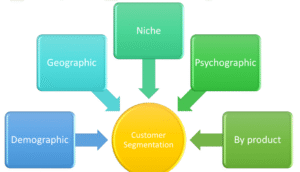
To mitigate this, businesses must combine outbound efforts with precise audience segmentation and retargeting tools, ensuring that their campaigns reach the right people at the right time.
4. Difficult to Personalize
In today’s data-driven marketing landscape, consumers expect messages that speak directly to their needs, preferences, and interests. Unfortunately, traditional outbound marketing lacks this level of personalization.
Most outbound campaigns—like billboards, TV ads, or generic cold emails—deliver one-size-fits-all messages that may not resonate with individual customers. While modern technologies such as AI-driven ad targeting and CRM integrations have improved personalization to some extent, outbound marketing still trails behind inbound tactics (like customized blog content, marketing automation, and social media interactions) when it comes to building meaningful, personal connections.
The result is that outbound messages can feel impersonal or disconnected, reducing their emotional impact and overall effectiveness.
5. Short-Term Results
Outbound marketing tends to prioritize quick wins—generating awareness, leads, or sales in a short period. While this immediacy can be beneficial for short-term goals, it often lacks the sustainability and relationship-building focus of inbound marketing.
For instance, a catchy billboard or radio spot might drive traffic to your store for a few days, but without a strategy to nurture those customers—through email follow-ups, loyalty programs, or valuable content—the results quickly fade.
Outbound campaigns are often transactional rather than relational, focusing on immediate conversions rather than building long-term trust or community engagement. Over time, this can make customer acquisition more expensive and retention more challenging.
Outbound marketing remains a powerful tool for instant visibility and large-scale exposure, but its high costs, limited personalization, and interruptive nature make it less effective as a standalone strategy in today’s market.
To get the best results, modern marketers often blend outbound with inbound marketing techniques—creating a hybrid approach that drives both short-term impact and long-term brand growth.
When to Use Outbound Marketing
While inbound marketing focuses on long-term growth and organic attraction, outbound marketing shines in moments when you need fast, wide-reaching, and highly visible results. It’s particularly effective for businesses that want to generate awareness, kickstart conversations, or boost short-term performance.
Below are key scenarios where outbound marketing can deliver maximum impact:
1. Launching a New Product or Service
When introducing something new to the market, time is critical. Outbound marketing helps you create instant awareness and reach potential customers quickly, even before they start searching for your product.
For instance, a combination of TV commercials, online display ads, social media promotions, and press releases can create a strong initial buzz, ensuring your target audience knows about your offering right from day one.
This proactive exposure is especially important when you’re entering a competitive industry or introducing a disruptive innovation that requires immediate recognition. Outbound campaigns can help you build curiosity, establish credibility, and generate early momentum—all vital for a successful product launch.
2. Targeting Broad or Diverse Demographics
If your product or service appeals to a wide audience rather than a niche group, outbound marketing offers the best way to maximize visibility across demographics and locations.
Mass media channels like television, radio, billboards, or large-scale online ads allow you to blanket entire markets efficiently, ensuring that your message reaches as many potential customers as possible.
For example, consumer goods companies like Coca-Cola or McDonald’s rely heavily on outbound marketing to maintain brand familiarity among diverse age groups, regions, and income levels. This broad reach is hard to achieve with inbound-only approaches, which typically attract narrower, intent-based audiences.
3. Driving Immediate Action or Short-Term Results
Sometimes, your marketing goal is simple: get quick results. Whether it’s boosting seasonal sales, promoting limited-time discounts, or generating event sign-ups, outbound marketing excels at creating urgency and encouraging instant action.
Techniques like email blasts, pay-per-click (PPC) campaigns, or retargeting ads can drive traffic and conversions within days—sometimes even hours—after launch. The direct, time-sensitive nature of these campaigns makes them ideal for businesses that want to increase revenue or visibility quickly.
Outbound marketing’s ability to produce immediate feedback and measurable performance (through metrics like CTR, CPC, or conversions) also allows marketers to adjust strategies in real time for optimal results.
4. Filling Your Sales Funnel
Outbound marketing is an excellent way to initiate contact with potential customers and fill the top of your sales funnel. For businesses that rely heavily on personal outreach—such as B2B companies, service providers, or startups—techniques like cold calling, LinkedIn outreach, and outbound email campaigns can be game-changers.
By reaching out directly, your sales team can spark interest, qualify leads, and start meaningful conversations with prospects who may not yet be aware of your brand. These initial touches often pave the way for deeper engagement through follow-up calls, demos, or nurturing sequences.
This proactive lead generation process not only boosts short-term activity but also supports long-term relationship-building, especially when integrated into a broader product promotion funnel outbound marketing strategy that moves prospects smoothly from awareness to conversion.
Outbound marketing is most effective when you need speed, scale, and visibility. Whether you’re launching a new product, targeting broad demographics, or driving immediate sales, outbound tactics give you the momentum needed to capture attention and generate results fast.
A Balance Between Outbound and Inbound
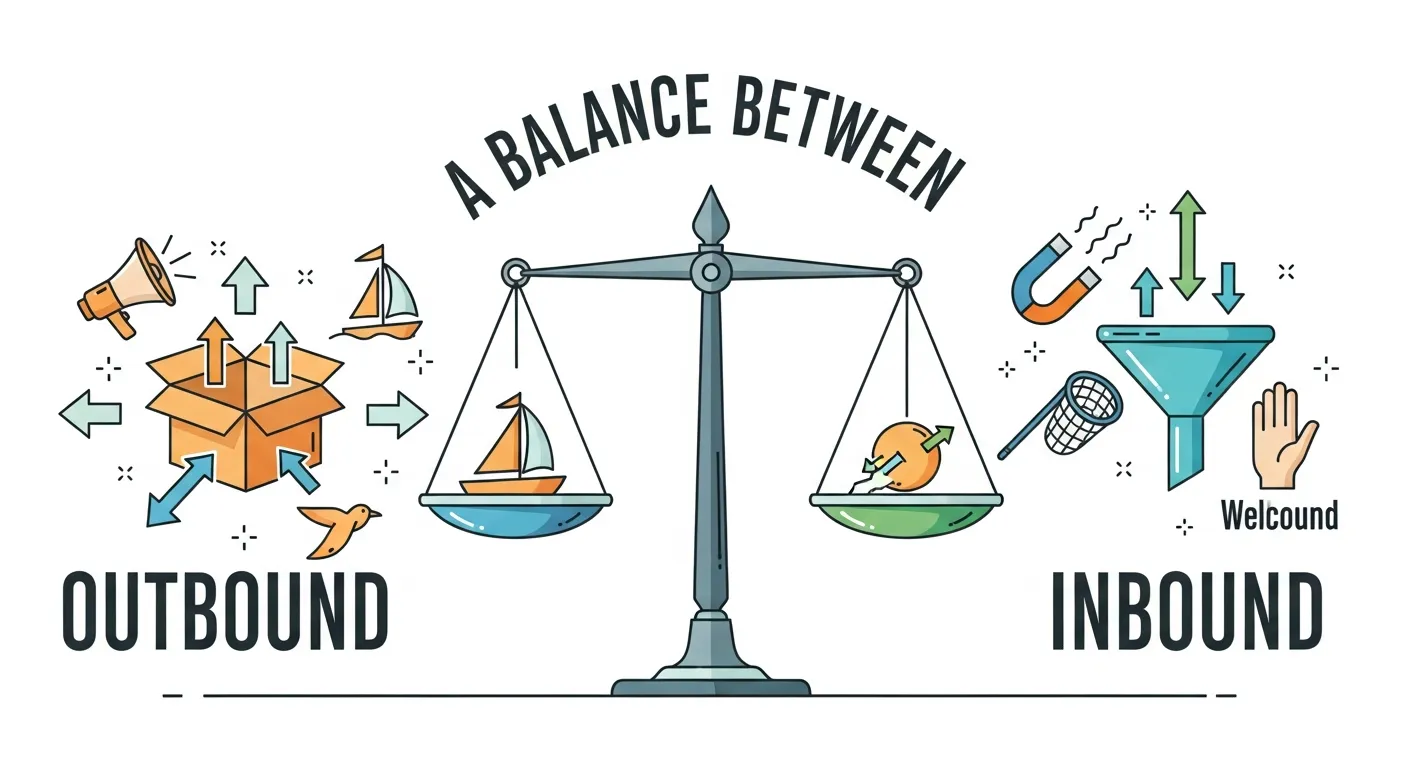
While outbound marketing has undeniable advantages, its limitations mean it shouldn’t be your only strategy. Incorporating inbound marketing techniques, like content creation, SEO, and social media engagement, can complement outbound efforts beautifully.
For instance, an outbound campaign might drive traffic to your website, where visitors explore your inbound content and subscribe to your newsletter. By blending both approaches, you can capture leads more effectively while keeping costs manageable.
Take Your Marketing to the Next Level
Outbound marketing, when done strategically, can be a powerful tool to amplify your brand’s reach and impact. But as with any strategy, it’s important to weigh the pros and cons before jumping in.
If you’re looking for expert guidance to refine your marketing strategy or balance between outbound and inbound techniques, stay tuned for upcoming resources on our blog. Or better yet, reach out to us directly for tailored insights to help your business thrive.
Frequently Asked Questions (FAQ) About Outbound Marketing
1. What is outbound marketing, and how does it differ from inbound marketing?
Outbound marketing focuses on pushing your message out to potential customers, using channels like TV ads, cold calls, direct mail, and paid campaigns. In contrast, inbound marketing attracts customers organically through valuable content, SEO, and engagement. The main difference lies in who initiates the interaction—you reach out in outbound, while customers come to you in inbound.
2. Why is outbound marketing still relevant in the digital age?
Despite the rise of inbound strategies, outbound marketing remains powerful because it delivers immediate visibility and broad reach. When executed strategically—with audience targeting and data-driven campaigns—it can amplify brand awareness, drive event attendance, or launch new products quickly. Modern outbound methods, such as retargeting ads and personalized email campaigns, make it more efficient and measurable than ever before.
3. What are the most effective outbound marketing channels today?
Today’s most effective outbound channels include digital advertising (Google Ads, social media ads), cold email outreach, webinars, direct mail, and event marketing. Combining these with automated tools and CRM systems ensures messages are consistent, targeted, and scalable, allowing businesses to maintain engagement without overwhelming their audiences.
4. How does outbound marketing support the sales funnel?
Outbound marketing plays a crucial role in the awareness and lead generation stages of the sales funnel. Techniques like cold emails, PPC ads, and trade shows initiate first contact with prospects who may not yet know your brand. When integrated with nurturing campaigns, these outbound efforts help move leads from awareness to consideration, fueling the entire product promotion funnel outbound marketing strategy.
5. What are the main challenges of outbound marketing?
The primary challenges include high costs, difficulty in personalization, and potential audience fatigue from interruptive tactics. Consumers now have more control over what they see, using tools like ad blockers and spam filters. To overcome these challenges, marketers must combine creativity with data—delivering relevant, timely messages rather than generic mass outreach.
6. Can you use both inbound and outbound marketing together?
Absolutely! In fact, the most successful businesses integrate inbound and outbound marketing for maximum impact. Outbound campaigns generate quick awareness, while inbound strategies nurture long-term trust through valuable content and engagement. Using both allows you to reach audiences at different stages—outbound draws attention, and inbound builds relationships. This blended approach ensures a balanced and sustainable marketing ecosystem.
7. Outbound vs inbound product marketing — which works best at each stage?
Each approach serves a distinct purpose at different points in the buyer’s journey. Outbound marketing works best at the awareness and early consideration stages, where visibility and exposure are key. Inbound marketing excels during the evaluation and decision stages, where education and trust drive conversions. By aligning both, brands can ensure consistent engagement from first impression to final purchase.
8. How do you measure the success of an outbound marketing campaign?
Success can be tracked through key performance indicators (KPIs) such as impressions, click-through rates (CTR), cost per acquisition (CPA), return on ad spend (ROAS), and overall lead quality. Modern analytics tools make it easy to evaluate ROI in real time, helping marketers identify which channels and messages deliver the strongest results and optimize future campaigns accordingly.
9. Inbound vs outbound marketing — which strategy is right for your business?
The best approach depends on your business goals, timeline, and target audience. If you need fast visibility or are launching a new product, outbound marketing is ideal. If your goal is long-term growth and organic relationship-building, inbound marketing is more effective. However, a hybrid strategy often works best—using outbound to capture attention and inbound to build lasting customer loyalty.
10. How can small businesses benefit from outbound marketing?
Small businesses can leverage cost-effective outbound techniques such as targeted email campaigns, local radio spots, or social media advertising. These methods help build brand awareness quickly without requiring massive budgets. When combined with inbound tactics like SEO and blog content, outbound marketing helps smaller companies compete effectively and attract both local and online audiences.