How to Transition from Outbound to Inbound Marketing
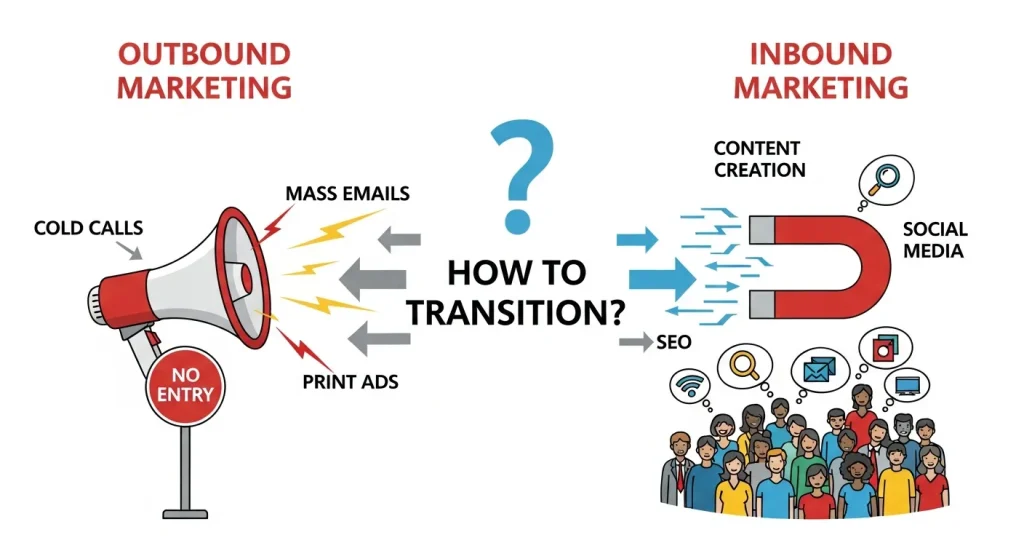
Many businesses find themselves at a crossroads when their traditional outbound marketing efforts begin yielding diminishing returns. The transition from outbound to inbound marketing isn’t simply about adopting new tactics—it requires a fundamental shift in mindset and approach. At Outbound Marketo, we’ve guided numerous organizations through this evolution, and we’ve identified key strategies that ensure a smooth transition while maintaining business momentum.
Understanding the Fundamental Differences
Before diving into transition strategies, it’s crucial to understand what sets these methodologies apart. Outbound marketing pushes messages to potential customers regardless of their interest level, while inbound attracts prospects already searching for solutions. This distinction drives every aspect of the transition process.
Outbound marketing typically relies on interruption: cold calls, direct mail, trade shows, and paid advertisements. These approaches have served businesses well for decades, but today’s buyers increasingly resist these interruptions and seek information on their own terms.
Inbound marketing, by contrast, focuses on being found by potential customers through valuable content, SEO optimization, and relationship-building. According to HubSpot’s State of Inbound Report, businesses implementing inbound marketing strategies generate 54% more leads than those using traditional outbound methods, while spending 62% less per lead.
Creating a Phased Transition Plan
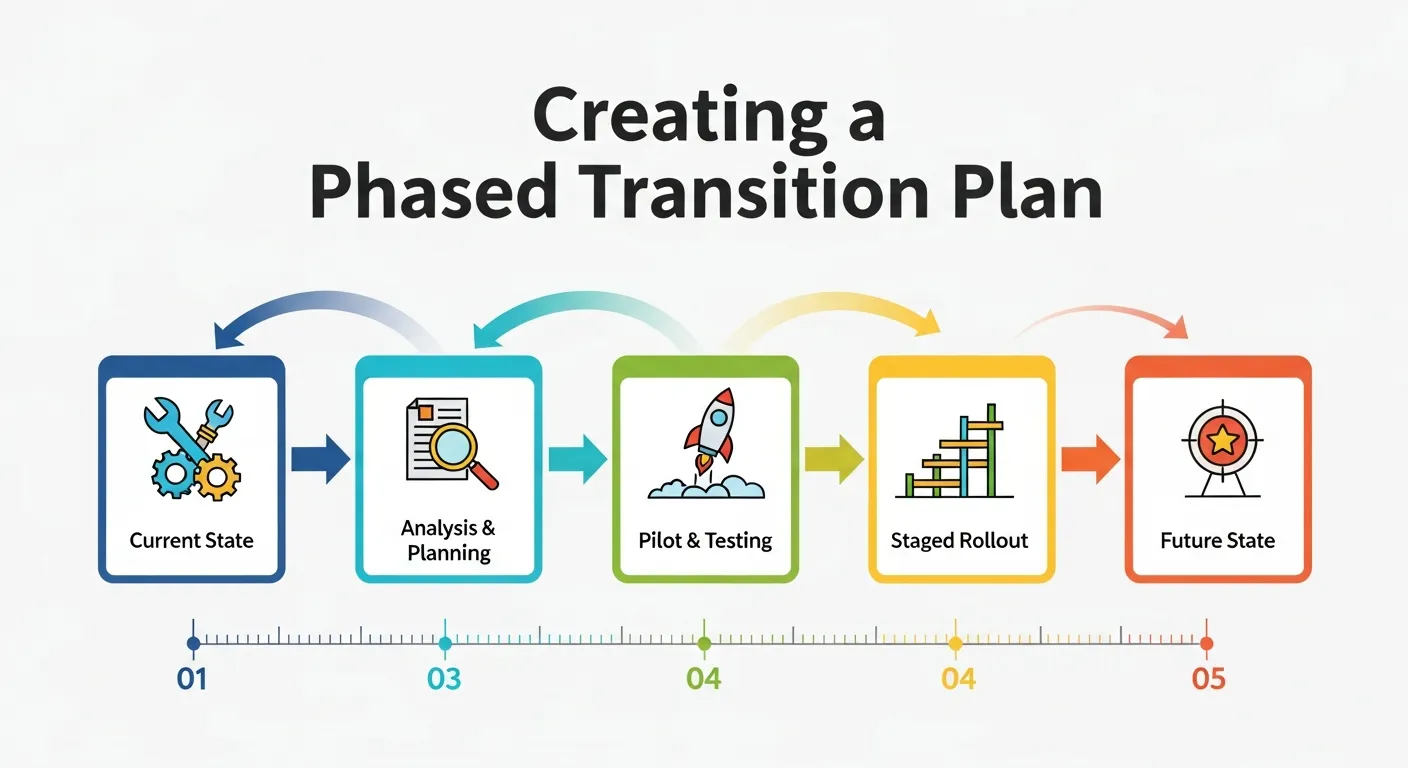
The most successful transitions occur in carefully managed phases rather than abrupt switches. Consider this graduated approach:
Phase 1: Current State Begin developing your inbound infrastructure while maintaining existing outbound programs. This includes creating cornerstone content, optimizing your website for conversions, and establishing measurement systems. During this phase, outbound marketing continues funding your operations while you build inbound capabilities.
Phase 2: Analysis and planning As your inbound foundation takes shape, run both methodologies simultaneously while gradually shifting resources. Monitor performance metrics closely to identify which outbound channels can be scaled back first and which should remain active longer. According to research from Content Marketing Institute, this transitional period typically lasts 6-12 months for mid-sized businesses.
Phase 3: Pilot and Testing Once your inbound channels demonstrate reliable lead generation, accelerate the resource shift. Maintain only the highest-performing outbound tactics that complement your inbound strategy. Many organizations retain strategic outbound components indefinitely, particularly for enterprise sales and new market penetration.
Phase 4: Staged Rollout Once inbound channels consistently generate qualified leads, shift more resources toward them. Maintain only the strongest outbound tactics that complement inbound efforts, such as strategic partnerships or targeted campaigns for specific market segments.
Phase 5: Future State Keep evolving through testing and data-driven insights. Explore the-future-of-outbound-marketing opportunities, integrate emerging tools, and collaborate with best-outbound-marketing-services providers to sustain growth and competitive advantage.
Repurposing Outbound Assets for Inbound Success
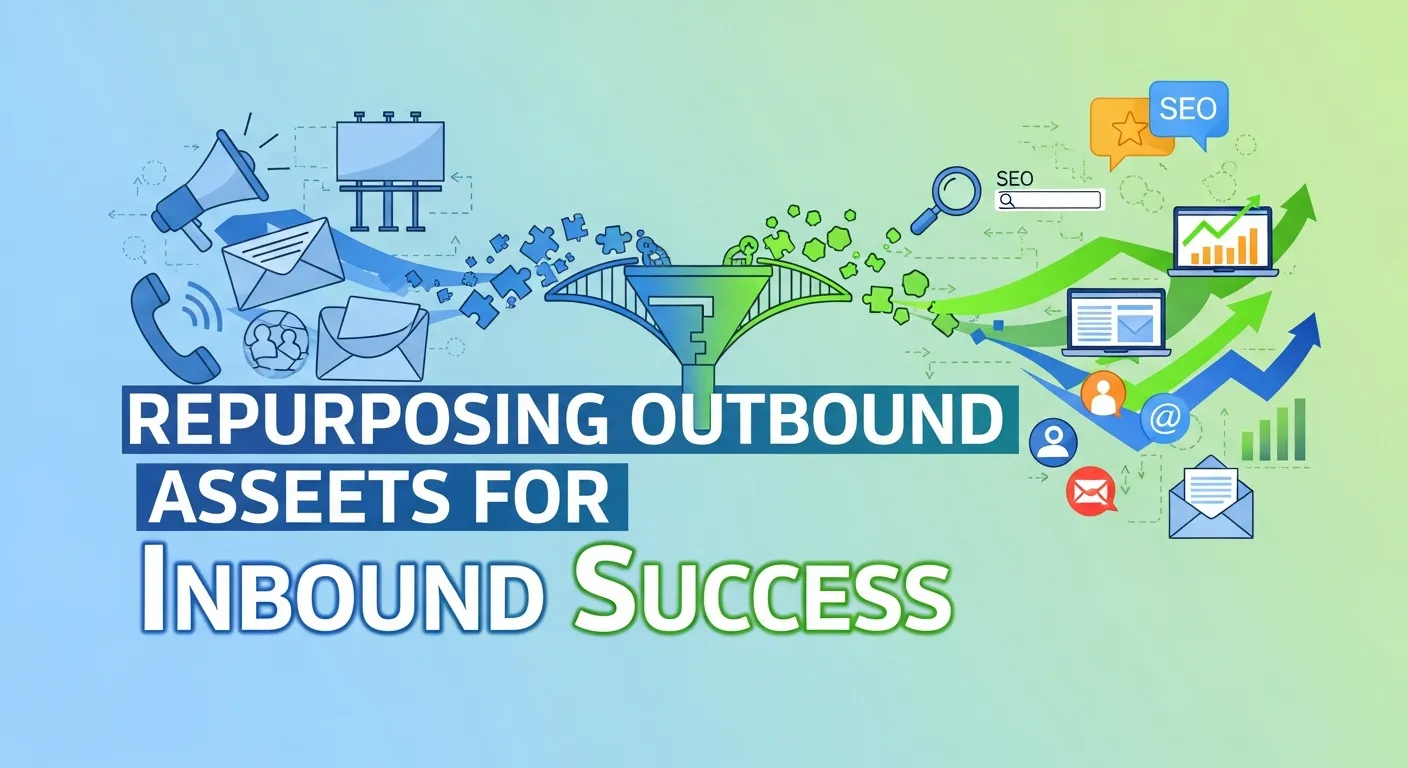
One often-overlooked transition strategy involves transforming existing outbound assets into inbound content. Sales scripts contain valuable insights about customer pain points that can inform blog topics. Trade show presentations can become webinars or video content. Direct mail pieces often contain messaging that can be repurposed for downloadable guides.
This repurposing approach accomplishes two objectives: it preserves the institutional knowledge embedded in outbound materials while accelerating inbound content creation. Additionally, it helps outbound-focused team members see connections between their expertise and the new methodology.
Retraining Your Marketing and Sales Teams
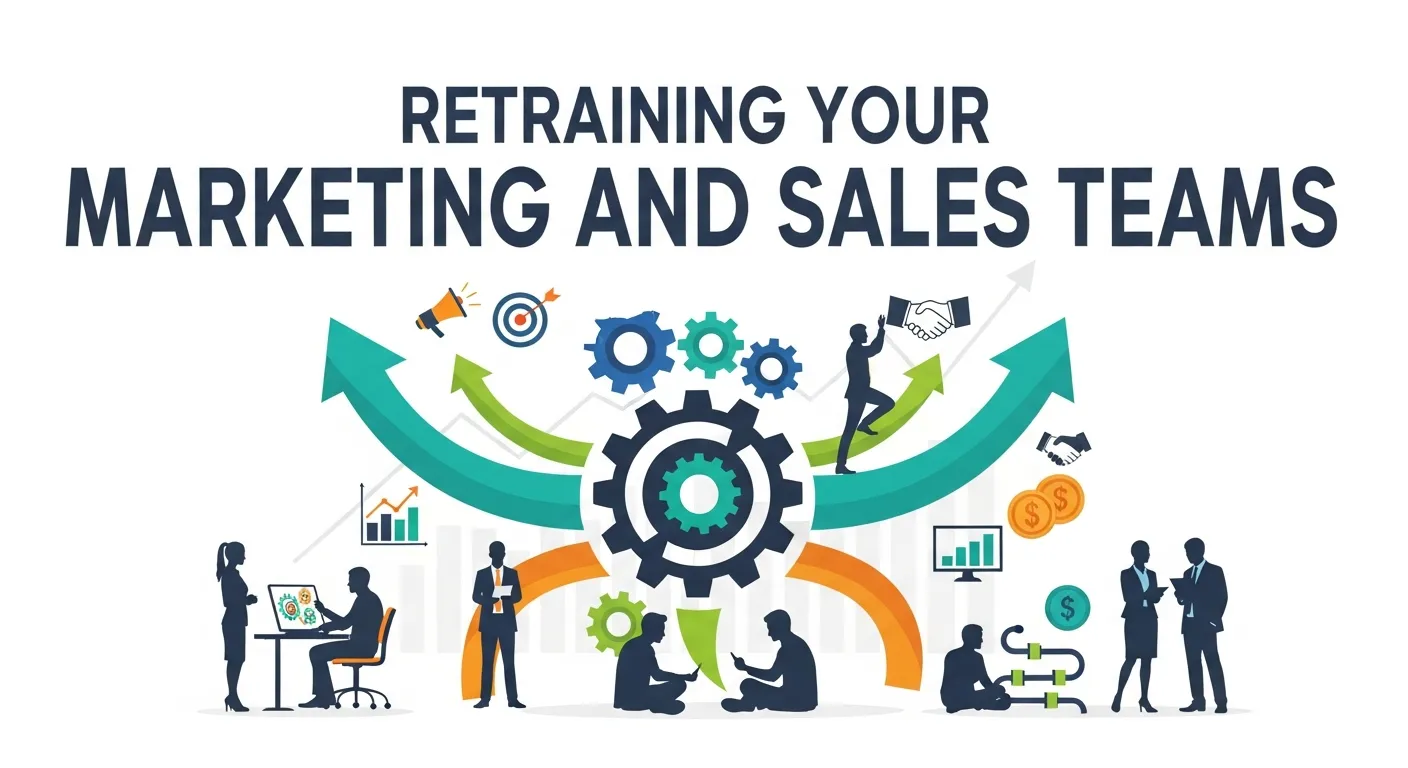
The transition from outbound to inbound requires significant skill development. Sales teams accustomed to cold calling need training in consultative selling and social selling techniques. Marketing professionals familiar with direct mail campaigns must learn content creation and digital engagement strategies.
Invest in comprehensive training programs that build both technical skills and conceptual understanding. Teams need to grasp not just how inbound works but why it works. This understanding fosters commitment to the new approach and enables creative problem-solving during the transition.
Managing Lead Flow During the Transition
Perhaps the greatest challenge during the outbound-to-inbound shift is maintaining consistent lead flow. Inbound marketing typically produces lower initial volume but higher quality leads that increase over time. Meanwhile, reducing outbound activities can create temporary lead shortfalls.
To address this challenge, implement these strategies:
Develop lead scoring systems that prioritize high-potential prospects from both methodologies. Create a “transition funnel” that uses outbound tactics to drive awareness of your inbound content. Establish realistic expectations with leadership about potential short-term volume fluctuations and long-term quality improvements.
Evaluating Your Current Marketing Mix Before Transition
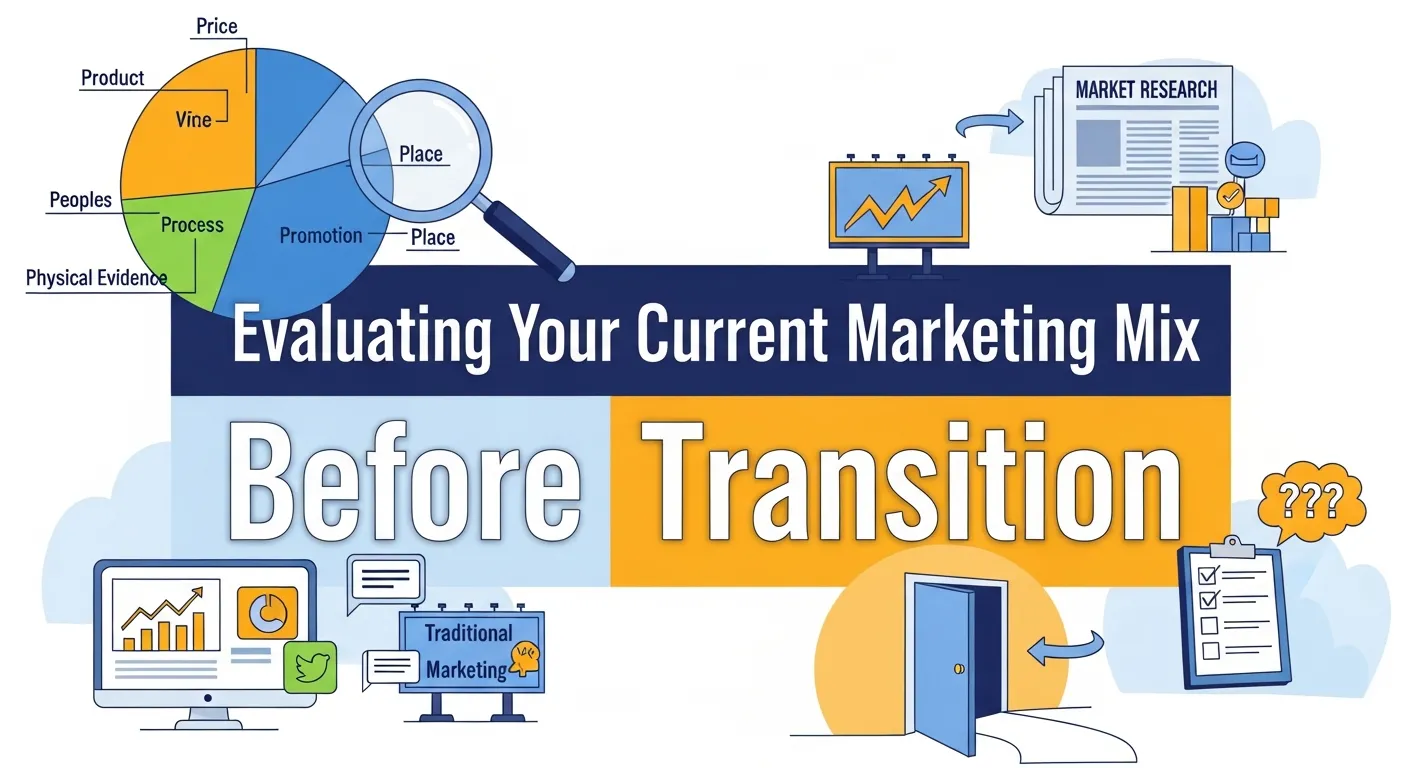
Before initiating the shift from outbound to inbound, it’s essential to evaluate your current marketing mix and performance metrics. This diagnostic step identifies which outbound tactics still deliver measurable results and which can be optimized or replaced.
Key Areas to Assess:
- Channel Performance: Review which outbound platforms—email blasts, events, or cold calls—drive the most engagement.
- Audience Response: Analyze how your audience interacts with outbound vs inbound content.
- Budget Allocation: Determine how much spend is going toward outbound marketing and where reallocation might yield better ROI.
- Sales Funnel Impact: Understand how outbound lead sources transition through the funnel compared to inbound leads.
A practical approach to mapping the product lifecycle to outbound marketing strategy can also reveal which marketing efforts align best with product maturity stages. For example, outbound strategies often work best during the introduction and growth phases, helping create awareness before inbound momentum builds.
| Lifecycle Stage | Effective Outbound Tactics | Recommended Inbound Focus |
|---|---|---|
| Introduction | PR, paid ads, trade shows | SEO, educational blogs |
| Growth | Retargeting, email campaigns | Case studies, webinars |
| Maturity | Loyalty programs, event sponsorships | Nurture content, automation |
| Decline | Selective remarketing | Repositioning through thought leadership |
By understanding your current landscape, you’ll transition more efficiently from outbound to inbound marketing without sacrificing results.
Integrating Outbound Insights into Your Inbound Framework
The journey from outbound to inbound doesn’t mean abandoning traditional practices altogether—it’s about integration and evolution. Many outbound insights can directly enhance inbound effectiveness if properly leveraged.
Practical Integration Tactics:
- Repurpose Messaging: Convert outbound ad copy and scripts into blog posts, guides, and email nurturing sequences.
- Analyze Objections: Sales call data reveals customer hesitations—use these to create inbound content that addresses pain points.
- Leverage Offline Data: Combine trade show contacts or direct mail lists with inbound lead nurturing campaigns.
- Create Bridge Campaigns: Use outbound channels to promote inbound resources like webinars, ebooks, or product demos.
Understanding what is outbound product marketing can also clarify this integration. It refers to strategies designed to push a product into the market through active outreach—ads, cold emails, and media buys. When merged thoughtfully with inbound techniques, these approaches maintain awareness while inbound tactics nurture deeper trust and engagement.
| Outbound Element | Inbound Transformation | Resulting Benefit |
|---|---|---|
| Sales scripts | Educational blog series | Builds authority |
| Direct mail offers | Downloadable guides | Expands reach |
| Event presentations | Video or webinar series | Drives engagement |
| Paid ad campaigns | SEO-optimized landing pages | Sustains visibility |
This hybrid approach ensures that the outbound to inbound transition remains strategic, data-driven, and resource-efficient.
Sustaining Growth with a Balanced Marketing Ecosystem
Once your inbound channels gain traction, maintaining balance between the two methodologies is key to sustainable growth. Outbound strategies can still complement inbound, especially when targeting new markets or accelerating brand visibility.
Ways to Sustain Growth:
- Maintain selective outbound advertising for brand awareness in new segments.
- Use inbound analytics to refine outbound messaging.
- Align sales and marketing teams to ensure consistent lead nurturing.
- Periodically audit performance across both strategies for alignment with long-term business goals.
In fact, boosting product sales with powerful outbound marketing strategies during key campaign windows can amplify inbound performance by attracting new leads into your content ecosystem. Businesses that sustain this balance tend to achieve stronger brand recognition, better lead quality, and consistent revenue flow.
| Marketing Focus | Outbound Role | Inbound Role | Combined Outcome |
|---|---|---|---|
| Brand Awareness | Paid promotions, events | SEO, blog content | Higher visibility |
| Lead Generation | Cold outreach | Email automation | Steady pipeline |
| Customer Retention | Personalized offers | Loyalty content | Increased lifetime value |
Ultimately, the goal of outbound to inbound marketing evolution is not elimination but synchronization—using outbound precision to fuel inbound attraction, creating a unified, customer-driven marketing system.
Measuring Success Across Methodologies
Transitioning between marketing approaches requires updating your measurement frameworks. Outbound metrics often focus on activity volume, while inbound success depends more on engagement quality and conversion rates.
Develop reporting that accommodates both systems while gradually emphasizing inbound KPIs. Track traditional metrics like lead volume and cost-per-lead alongside emerging indicators like organic traffic growth, content engagement, and sales-ready lead percentage.
FAQ: Transitioning from Outbound to Inbound Marketing
1. Why should businesses transition from outbound to inbound marketing?
Businesses shift from outbound to inbound marketing to align with modern consumer behavior. Traditional outbound tactics like cold calls or print ads often interrupt audiences, whereas inbound marketing attracts potential customers organically through valuable content, SEO, and relationship-building. This shift not only reduces acquisition costs but also builds trust and long-term loyalty with your target audience.
2. How long does it take to transition from outbound to inbound marketing?
The transition timeline varies based on company size, industry, and available resources. Typically, businesses experience a 6 to 12-month transition period, during which inbound systems are developed while outbound activities gradually scale down. The key is to move in phases—build the foundation, operate both strategies in parallel, and then let inbound dominate as performance stabilizes.
3. What are the biggest challenges in moving from outbound to inbound marketing?
Common challenges include maintaining lead flow, retraining sales teams, and adjusting KPIs. Many organizations initially experience a temporary dip in lead volume as inbound strategies mature. However, over time, inbound leads tend to be more qualified, resulting in higher conversion rates and lower long-term costs.
4. How can outbound marketing support inbound initiatives during the transition?
Outbound marketing can amplify inbound visibility by driving awareness toward your content assets. For instance, paid ads can promote webinars or ebooks, and trade show presentations can direct audiences to your website. When used strategically, outbound tactics accelerate inbound traction while maintaining brand reach and lead consistency.
5. What is the best way to retrain marketing teams for inbound success?
Start by educating your team about inbound fundamentals—content creation, SEO, and lead nurturing. Encourage collaboration between sales and marketing to develop shared goals and metrics. Investing in certification programs from platforms like HubSpot or Content Marketing Institute can accelerate team competency during the outbound to inbound transition.
6. How do you measure success when shifting from outbound to inbound marketing?
In outbound, metrics focus on activity volume—calls made, emails sent, or impressions gained. In inbound, success is measured by engagement quality and conversions: organic traffic growth, content performance, and sales-ready lead percentages. Over time, businesses should shift their focus toward inbound KPIs for a clearer picture of sustainable growth.
7. Outbound vs inbound product marketing — which works best at each stage of the customer journey?
Both play vital roles but at different times. Outbound product marketing works best during the awareness and introduction stages—when you need to create initial visibility and brand recall. Inbound marketing, on the other hand, thrives during the consideration and decision stages, nurturing prospects with valuable information until they convert. The most effective strategy maps both methods across the product lifecycle for maximum impact. Here more about outbound vs inbound product marketing which works best at each stage
8. Can you use both inbound and outbound marketing simultaneously?
Absolutely. A hybrid approach often delivers the best results. Using both inbound and outbound marketing allows brands to combine reach with relationship-building. For example, outbound ads can generate quick awareness, while inbound blogs and social engagement deepen trust. This combination ensures your marketing strategy covers every stage—from initial attention to long-term loyalty.
9. Inbound vs outbound marketing — which strategy is right for your business?
The right strategy depends on your goals, audience behavior, and budget. Inbound marketing is ideal for brands aiming to build long-term relationships and authority, especially in digital-first industries. Outbound marketing suits businesses that require rapid visibility or are entering new markets. Many organizations find success by integrating both, ensuring short-term reach and long-term engagement. Read more about Inbound vs Outbound marketing which strategy is right for your business
10. How can existing outbound assets be repurposed for inbound campaigns?
Start by mining your outbound materials—sales scripts, brochures, and trade show decks—for insights. Convert them into blog posts, case studies, or email series. This not only accelerates content creation but also helps your team see how traditional assets can support inbound storytelling. Repurposing ensures nothing valuable is wasted during your outbound to inbound evolution.
11. What role does customer data play in a successful transition?
Customer data bridges the gap between the two marketing styles. Outbound data provides information about broad audience segments, while inbound data offers deeper insights into user intent and behavior. Together, they create a unified view of your audience, allowing for precise targeting, personalized communication, and better ROI.
12. How can a business maintain sales performance during the transition?
During the early phase, maintain select outbound activities to keep leads flowing while building inbound infrastructure. Introduce lead scoring systems to prioritize high-quality inbound prospects and nurture them with targeted content. This phased approach ensures steady sales performance throughout the outbound to inbound transition.
Conclusion
The transition from outbound to inbound marketing represents a strategic evolution rather than a tactical change. By approaching this shift methodically—building foundations, operating parallel systems, repurposing assets, retraining teams, managing lead flow, and updating measurements—organizations can realize the benefits of inbound while minimizing transition risks.
At Outbound Marketo, we understand that this journey looks different for every organization. The most successful transitions acknowledge the continuing value of select outbound tactics while building comprehensive inbound capabilities. The result is a more sustainable, customer-centric marketing approach that generates higher quality leads at lower acquisition costs.