Are Email Campaigns a Form of Inbound or Outbound Marketing?
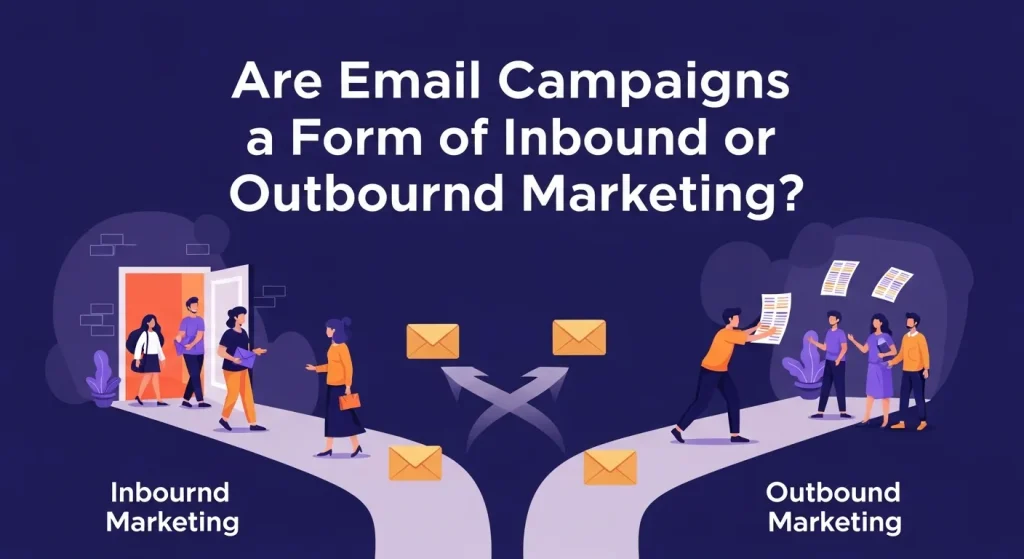
Marketing can be divided into two main approaches: inbound and outbound. Understanding how email fits into this framework helps marketers design strategies that attract, engage, and convert effectively.
Marketing operates through two key approaches: inbound and outbound. Understanding how email integrates into these frameworks enables marketers to design strategies that attract prospects, engage audiences meaningfully, nurture relationships, and convert leads into loyal customers effectively.
Defining Inbound vs. Outbound Marketing
Inbound marketing is centered on attraction through value. Instead of interrupting potential customers, it pulls them in by offering useful, relevant, and engaging content. This strategy builds trust over time and encourages prospects to seek out your brand naturally. Common inbound techniques include:
- Content Marketing: Publishing blogs, guides, and case studies that solve audience problems
- SEO (Search Engine Optimization): Helping your brand get discovered organically through search results
- Social Media Marketing: Engaging followers through helpful posts, conversations, and storytelling
- Email Nurture Sequences: Delivering personalized, opt-in emails that educate or inspire
Inbound works best for long-term growth because it earns attention rather than demands it.
Outbound marketing, by contrast, is proactive outreach. It involves initiating contact with potential customers—even if they haven’t yet expressed interest. Traditional outbound methods include TV or radio advertising, cold calls, direct mail, and unsolicited email campaigns.
However, modern businesses have redefined outbound strategies using technology, targeting, and data-driven personalization. An Email Campaign in outbound marketing is one of the most effective examples of this evolution. Instead of mass-blasting irrelevant messages, businesses can now:
- Identify qualified prospects using firmographic and behavioral data
- Segment contact lists based on role, industry, or pain points
- Craft personalized cold emails that address specific challenges
- Automate follow-ups while maintaining a human tone
This new form of Email Campaign in outbound marketing bridges the gap between awareness and engagement. When executed thoughtfully, it helps brands reach new audiences, open doors to conversations, and accelerate sales cycles—especially in B2B environments.
Email Marketing: The Dual Nature
Email Marketing: Inbound or Outbound?
Email marketing can operate within both inbound and outbound frameworks, depending on how it’s executed. Some campaigns are built on permission and value (inbound), while others rely on proactive outreach (outbound). The difference lies in intent, targeting, and audience consent.
When Email Marketing Is Outbound
An Email Campaign in outbound marketing focuses on initiating contact with potential customers who haven’t interacted with your brand before. It’s a proactive approach—your business reaches out first, aiming to generate awareness, spark interest, or start a conversation.
Here are some common forms of outbound-style email campaigns:
- Purchased Lists: Sending emails to third-party contact databases where recipients haven’t given direct permission to receive your communications.
- Cold Outreach: Reaching out to potential clients or leads who may benefit from your product or service but have no prior engagement with your brand.
- Mass Promotions: Broadcasting the same promotional message to large groups without considering segmentation or personalization.
- Fixed Schedule Sends: Distributing emails based on a company’s internal calendar rather than aligning with user activity or interest triggers.
These tactics clearly align with Email Campaign in outbound marketing because they initiate communication rather than respond to it. The primary goal is to create visibility, drive initial awareness, and generate leads from a cold or semi-warm audience.
When Email Marketing Is Inbound
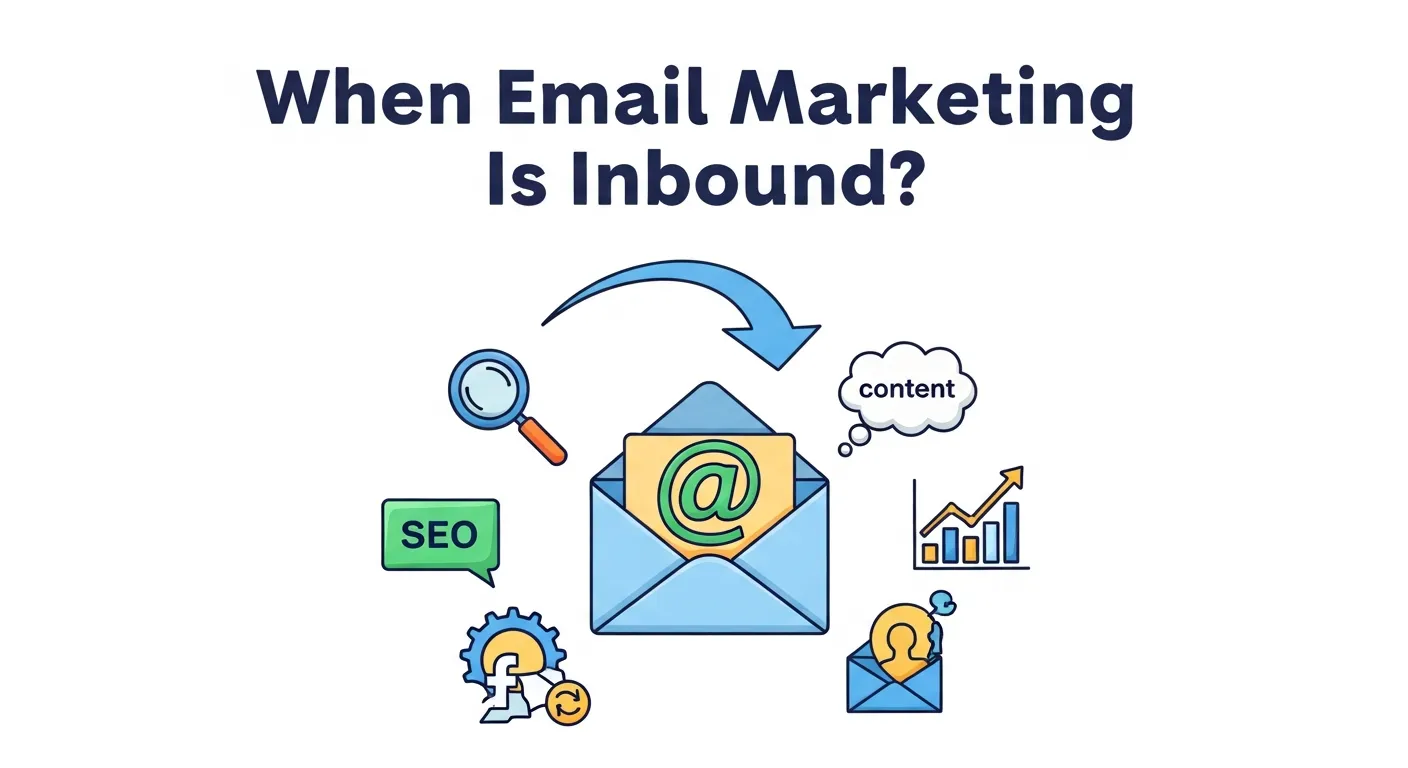
In contrast to Email Campaign in outbound marketing, inbound email strategies are permission-based and focus on nurturing relationships through value, relevance, and timing. Instead of reaching out cold, inbound email marketing builds upon trust that the audience has already granted.
Inbound email campaigns work by delivering meaningful, personalized content that aligns with user interests and behaviors. Every message is earned, not imposed.
Here are the key components of inbound email marketing:
- Opt-In Subscribers: These are individuals who have willingly joined your mailing list, often by signing up on your website or downloading gated content. Their voluntary consent is the foundation of all inbound email success.
- Value-Based Newsletters: Regular emails that educate, inform, or inspire rather than sell. They might share blog updates, case studies, or industry insights that keep your brand top of mind without being pushy.
- Triggered Emails: Automated messages sent when a user performs a specific action—such as visiting a pricing page, downloading an eBook, or abandoning a cart. This ensures communication feels timely and relevant.
- Personalized Nurturing: Tailored follow-up sequences designed to guide subscribers through their buyer journey. Content evolves based on behavior, preferences, and engagement levels.
Inbound email marketing excels at building long-term relationships and customer loyalty. While Email Campaign in outbound marketing focuses on initiating contact, inbound email marketing emphasizes maintaining connection with those who have already shown genuine interest.
The synergy of these two approaches is where the true power of modern marketing lies—combining the reach of outbound with the trust of inbound to drive both engagement and conversion.
Hybrid Email Marketing: The Best of Both Worlds
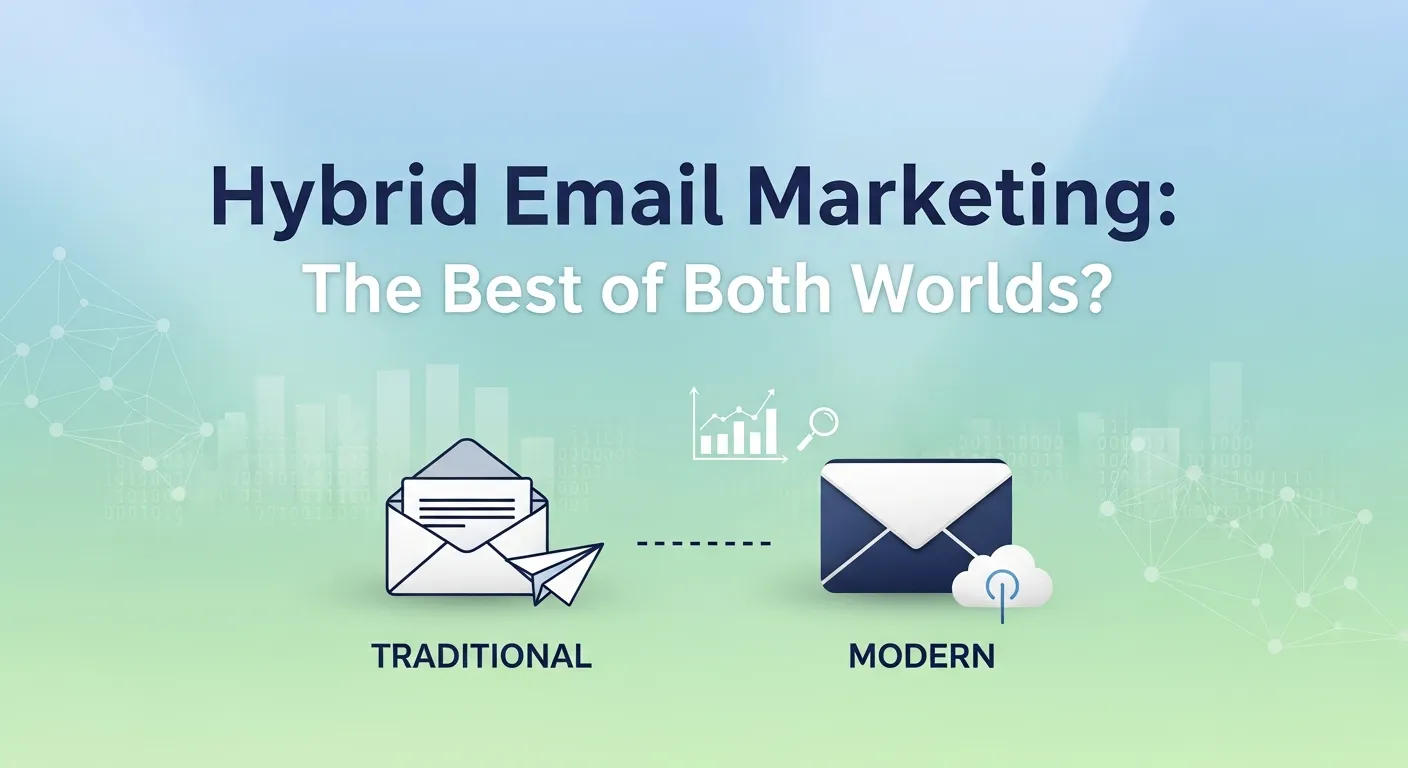
Modern marketers rarely rely on just one method. Instead, they embrace a hybrid email marketing strategy that blends the broad reach of outbound with the relationship-building strength of inbound. This balanced approach ensures brands stay visible to new audiences while nurturing trust with existing subscribers.
An Email Campaign in outbound marketing can serve as the first touchpoint—introducing your brand, sharing a compelling offer, or starting a conversation. Once interest is sparked, inbound techniques like automated nurturing sequences, triggered responses, and personalized follow-ups take over to deepen engagement and drive conversion.
This hybrid model reflects the reality of today’s customer journey:
- Prospects discover brands through outbound channels like cold emails or social ads.
- They engage further when inbound elements—like newsletters, educational content, or welcome sequences—build credibility and provide value.
- They convert and stay loyal when both strategies work together to deliver consistent, personalized communication.
The Power of Permission, Segmentation & Personalization
Even when running an Email Campaign in outbound marketing, permission remains at the heart of success. The days of mass-blasting uninvited emails are gone. Now, marketers focus on:
- Permission-Based Marketing: Gaining explicit consent or legitimate interest before outreach. This ensures compliance with laws like GDPR and fosters trust.
- Segmentation: Dividing audiences by demographics, industry, or behavior to deliver more tailored and relevant messages.
- Personalization: Moving beyond generic greetings—using real-time data to send content that feels crafted for each recipient.
When outbound and inbound tactics intersect, even promotional campaigns become value-driven. For instance, a cold outreach email can lead to an opt-in offer or newsletter sign-up—transitioning from Email Campaign in outbound marketing to an inbound relationship built on consent and ongoing engagement.
In essence, the future of email marketing lies in this hybrid harmony—where outreach meets authenticity, and every email contributes to long-term connection rather than one-time attention.
📊 Comparison Table: Inbound vs. Outbound Email Campaigns
| Feature | Inbound Email | Outbound Email |
|---|---|---|
| Audience | Opt-in subscribers | Purchased or cold lists |
| Engagement | High | Low |
| Spam Complaints | Low | High |
| Open Rate | 20–40% | 10–15% |
| CTR | 2.5–5% | 1–2% |
| Conversion | Higher | Lower |
Best Practices for Effective Email Campaigns
- Obtain consent before sending
- Segment by demographics and interests
- Personalize every message
- Lead with value before promotion
- Regularly clean your list
- Track and optimize performance
The Role of Outbound Marketing in a Modern Digital Strategy
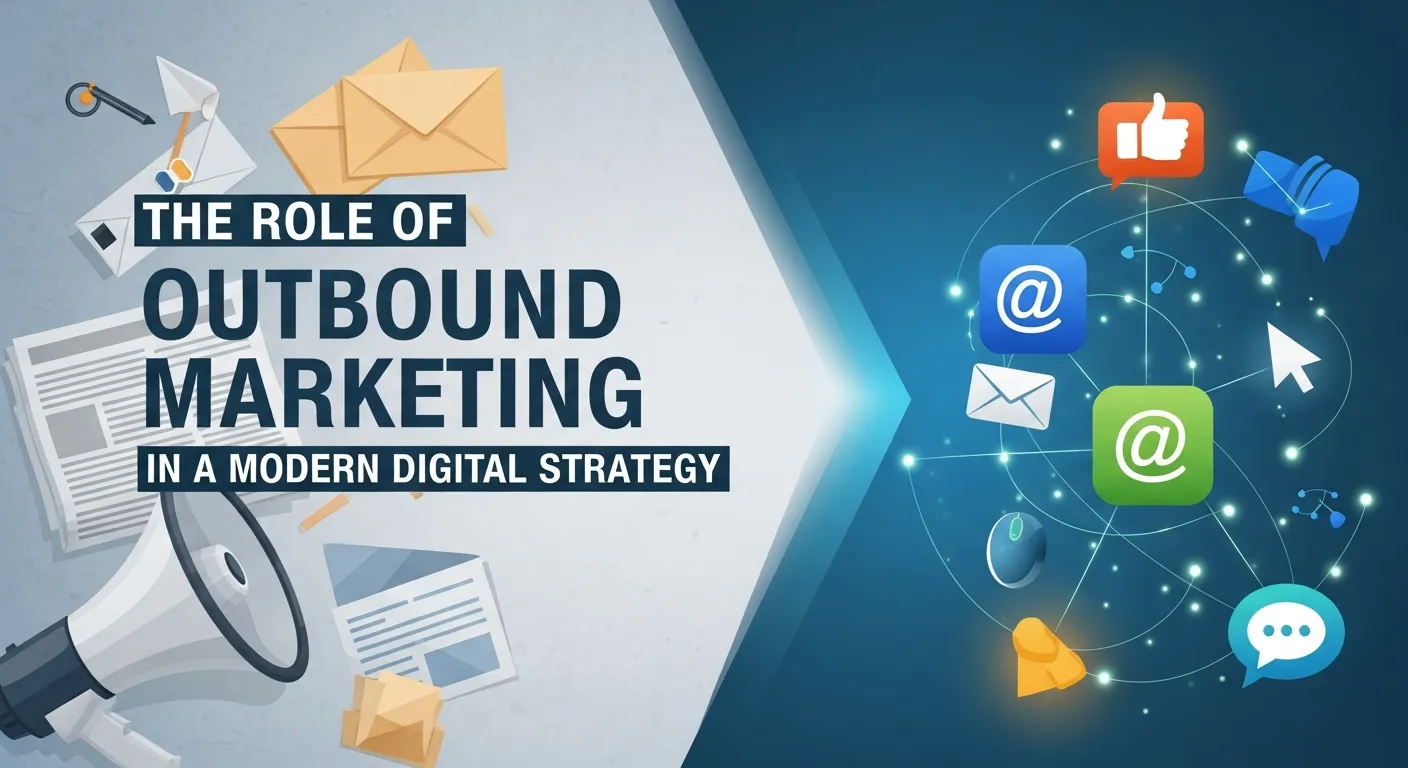
In today’s digital-first environment, outbound marketing remains a vital component of a balanced marketing strategy. While inbound tactics nurture leads organically, outbound ensures your brand reaches audiences who might not yet know they need your solution.
A well-designed Outbound marketing strategy isn’t about interrupting—it’s about initiating valuable connections through targeted, personalized communication. When paired with modern data tools and automation, outbound can be just as measurable and efficient as inbound.
Key Advantages of Outbound Marketing
- Immediate Reach: Unlike inbound content that takes time to rank or circulate, outbound methods can generate awareness fast.
- Predictable Lead Generation: Structured outreach—especially through email campaigns—can build a consistent sales pipeline.
- Scalable Communication: Technology allows teams to reach thousands of potential customers while still maintaining message relevance.
- Brand Control: Outbound marketing gives you full control over when, where, and how your brand appears.
Integrating Email Campaigns in outbound marketing within this framework lets businesses stay proactive—reaching potential buyers before competitors do, while still maintaining compliance and personalization.
How to Develop an Effective Outbound Marketing Strategy
Building a high-performing outbound marketing plan requires a mix of research, creativity, and consistency. Rather than relying on random outreach, focus on strategic planning that aligns with your target audience and business goals.
Steps to Build a Strong Outbound Marketing Strategy
- Define Your Ideal Customer Profile (ICP):
Clearly outline who your best-fit customers are—industry, company size, decision-maker role, and pain points.
→ (Learn more: Ideal customer profile development for smarter outreach.) - Choose the Right Channels:
Outbound marketing extends beyond email. Use multiple channels such as LinkedIn messages, display ads, or direct mail to maximize exposure. - Craft Personalized Messaging:
Avoid generic pitches. Use personalization tokens and behavioral data to make each communication relevant and authentic. - Automate and Optimize:
Leverage tools to automate repetitive tasks like follow-ups or drip campaigns while continuously A/B testing for performance. - Measure Results with Precision:
Track open rates, click-throughs, and conversions. Data helps refine strategy and identify what truly drives engagement.
When executed correctly, outbound marketing not only generates leads but also supports inbound efforts—driving traffic, boosting brand awareness, and accelerating conversions. It’s not about choosing between inbound or outbound; it’s about integrating both for a full-funnel marketing approach.
The Shift Toward Inbound
Email began as an outbound tool but has evolved. Today, brands build relationships through value, trust, and consent. The most successful marketers blend both models—expanding reach while maintaining authenticity.
Data-Driven Inbound Marketing: Metrics That Actually Matter for Business Growth ensures campaigns focus on measurable success rather than volume alone.
If you’re looking to implement a high-performing email strategy, partnering with the Best Email Marketing Service in UK can help you combine inbound finesse with outbound impact.
FAQ: Understanding Email Campaigns in Inbound and Outbound Marketing
1. Is email marketing considered inbound or outbound marketing?
Email marketing can be either inbound or outbound depending on how it’s executed. When emails are sent to opt-in subscribers who expect valuable content, it’s inbound. But when messages go to purchased lists or cold leads, it falls under outbound marketing.
2. What makes an email campaign outbound?
Email campaigns become outbound marketing when businesses send unsolicited promotional emails to people who haven’t shown prior interest—like cold outreach or bulk advertising blasts.
3. Can outbound email marketing still be effective today?
Yes, if done strategically. The key to how to develop an outbound marketing strategy that works is to personalize outreach, research your audience, and ensure your content offers real value rather than just promotion.
4. How can I make my outbound emails less intrusive?
Start with ideal customer profile development to understand who truly fits your target audience. Tailor your message to their pain points and use segmentation to ensure relevance—this turns cold outreach into more meaningful communication.
5. What’s the difference between outbound email and spam?
Outbound marketing isn’t the same as spam. Legitimate outbound emails are targeted, personalized, and often follow legal frameworks like GDPR or CAN-SPAM. Spam, on the other hand, ignores consent and relevance entirely.
6. How can inbound email marketing improve engagement rates?
Inbound campaigns—based on consent and value-driven content—typically achieve higher open and click-through rates. They nurture relationships through helpful newsletters, guides, or offers tailored to user behavior.
7. What are the best outbound marketing services for businesses?
The best outbound marketing services combine cold email outreach with modern tools for automation, personalization, and data analytics. They help align outbound tactics with inbound nurturing for maximum ROI.
8. How does segmentation help in both inbound and outbound email marketing?
Segmentation allows marketers to group recipients by behavior, demographics, or interests. In outbound marketing, it ensures messages are relevant to prospects. In inbound, it refines nurturing workflows for better engagement.
9. What role does an Ideal Customer Profile (ICP) play in email marketing?
An ideal customer profile development process helps marketers identify who’s most likely to benefit from their product or service. It guides both inbound content creation and outbound targeting—ensuring every message resonates.
10. How can businesses balance inbound and outbound email strategies?
The best results come from hybrid strategies. Use inbound tactics (like opt-in newsletters) to build trust and outbound marketing methods (like cold outreach) to expand reach. The balance depends on your audience, goals, and resources.
11. Why is permission important in modern email marketing?
Permission-based marketing is the foundation of ethical communication. It aligns with inbound principles and ensures that even promotional or outbound marketing messages are welcomed by recipients.
12. What’s the first step to developing an effective outbound email campaign?
To learn how to develop an outbound marketing plan, start by defining your ideal customer profile, crafting value-driven messaging, and using compliance-friendly tools for outreach. Test, measure, and refine continuously.
Learn more: Effective Outbound Marketing Strategies for Business Growth