PR Crises in Stock Prices Explained: Damage Control and Recovery Tactics
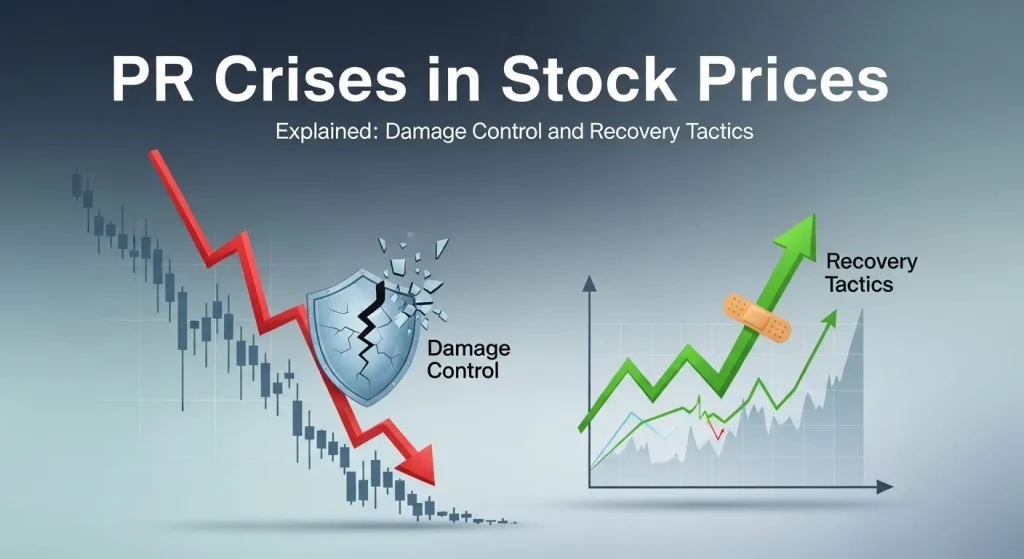
PR crises in stock prices reveal how corporate reputation directly shapes market value. When companies face scandals or public backlash, investor confidence drops, leading to immediate sell-offs, regulatory scrutiny, and lasting valuation declines. Case studies like Wells Fargo, Facebook, and Boeing show that transparency, leadership changes, and operational improvements are vital for recovery. Effective crisis communication, stakeholder engagement, and proactive reputation management help rebuild trust and restore long-term market stability.
Corporate scandals make headlines, but their real impact shows up in stock charts. When companies face public relations disasters, investors often react swiftly—and brutally. Understanding this connection between reputation and market performance has become essential for executives, investors, and anyone tracking corporate America.
The relationship between public perception and stock prices isn’t just theoretical. Real companies with real shareholders experience measurable consequences when their reputations take a hit. This post examines how PR and marketing crises affect stock market performance, explores notable case studies, and identifies strategies that help companies recover their market value.
The Direct Link Between Reputation and Market Value
PR crises in stock prices clearly demonstrate how deeply reputation and investor confidence are connected. Stock prices don’t just measure financial performance — they mirror public trust. When that trust is shaken by a public relations disaster, the market reacts almost instantly.
A company’s reputation acts as a form of “emotional equity” in the marketplace. Once damaged, that equity can evaporate faster than earnings reports can explain. Here’s how PR crises quickly ripple through market performance:
1. Immediate Sell-Offs
The first and most visible reaction during PR crises in stock prices is panic selling. As soon as negative headlines break, investors often rush to liquidate shares — even before understanding the full scope or financial impact of the issue. This knee-jerk reaction, fueled by social media amplification and algorithmic trading, can cause steep intraday declines and erode billions in market value within hours.
2. Institutional Investor Withdrawal
After the initial shock, larger investors — such as mutual funds, pension funds, and hedge funds — begin to reassess their exposure. These institutions tend to avoid companies entangled in reputational controversy, fearing long-term damage to brand value and regulatory consequences. Their mass sell-offs not only push prices further down but also send a strong signal to the market that confidence has collapsed.
3. Shifts in Consumer and Market Behavior
Investor sentiment isn’t the only force at play. Consumer behavior also changes rapidly during PR crises in stock prices. Customers may boycott products, cancel services, or switch to competitors, directly impacting revenue projections. Analysts then revise forecasts downward, reinforcing the market’s negative perception and prolonging the stock’s decline.
4. Increased Regulatory Scrutiny
Regulatory bodies often intensify investigations during PR crises, adding another layer of uncertainty for investors. The potential for fines, legal actions, or compliance restrictions introduces risks that markets typically price in immediately. This uncertainty weighs heavily on stock performance and can delay recovery for months or even years.
Case Studies: When PR Disasters Hit the Markets
Real-world examples of PR crises in stock prices reveal just how quickly public perception can destroy years of brand equity and investor trust. Let’s explore how three corporate giants — Wells Fargo, Facebook, and Boeing — experienced massive market losses and what they did to rebuild.
Wells Fargo’s Fake Accounts Scandal
The Wells Fargo fake accounts scandal of 2016 remains one of the most striking examples of how operational misconduct can devastate stock performance. When it was revealed that employees had opened millions of unauthorized customer accounts to meet aggressive sales targets, investors reacted immediately.
The bank’s stock price fell roughly 15% within weeks, as headlines dominated financial media and public outrage grew. The situation worsened as investigations exposed the scale of the misconduct. Congressional hearings, regulatory fines, and the resignations of top executives kept Wells Fargo’s name in the spotlight for months.
In the years that followed, Wells Fargo’s stock lagged behind the broader financial sector, proving that reputational damage has long-term financial consequences.
Recovery demanded more than an apology. The company overhauled internal sales practices, replaced key leaders, and implemented stronger oversight systems. Despite paying billions in penalties, the greater challenge was restoring investor and customer confidence — a process that took years of consistent reform and transparent communication.
Facebook’s Cambridge Analytica Crisis
The Facebook–Cambridge Analytica scandal of 2018 marked a turning point in data privacy awareness and investor perception of tech giants. When news broke that a political consulting firm had harvested personal data from millions of users without consent, the market reacted with panic.
Facebook’s stock dropped 20% in a matter of days, wiping out over $100 billion in market value within a week. CEO Mark Zuckerberg’s congressional testimony, global investigations, and continued media scrutiny kept the crisis alive far beyond the initial incident.
For investors, this was more than a privacy issue — it was a question of trust. The event reshaped how the market valued user data, privacy practices, and regulatory risk across the entire social media sector.
Facebook (now Meta) responded by revamping its data protection systems, increasing transparency in user controls, and investing heavily in security infrastructure. While the stock eventually recovered, the PR crisis in stock prices left a lasting legacy — forcing investors and regulators alike to rethink how digital platforms handle personal information.
Boeing’s 737 MAX Grounding
Boeing’s 737 MAX crisis illustrates how product failures can trigger global trust issues and catastrophic market reactions. Following two fatal crashes between 2018 and 2019, aviation authorities worldwide grounded the aircraft, leading to one of the most severe PR crises in stock prices the manufacturing industry has ever seen.
Boeing’s stock plunged 25% following the second crash, and the grounding extended for nearly two years. The company faced lawsuits, criminal investigations, and intense scrutiny from both regulators and the flying public. Its reputation for engineering safety — a cornerstone of Boeing’s identity — was deeply shaken.
Recovery required major operational and cultural shifts. Boeing redesigned flight control systems, overhauled pilot training programs, and navigated a complex, multi-country recertification process. The company also paid billions in settlements and fines, slowly regaining regulatory and investor trust.
It took years — and a demonstrated commitment to safety and transparency — for Boeing’s market value to begin stabilizing. The crisis underscored how reputation risk directly drives market volatility, particularly when public safety is involved.
Key Takeaway
Across these cases, PR crises in stock prices consistently reveal a pattern: investor reactions are swift, severe, and long-lasting. Yet, recovery is possible — but only for companies that combine transparency, accountability, and real operational change. Reputation, once lost, can be rebuilt — but only through consistent proof of integrity and action.
Factors That Amplify Market Impact
Not all PR crises in stock prices unfold the same way. Some spark immediate sell-offs that erase billions in value overnight, while others cause slower, lingering damage. The intensity of the market reaction depends on several amplifying factors — from how fast the news spreads to the nature of the crisis itself.
1. Speed of Information Spread
In today’s hyperconnected world, speed is everything. Social media platforms and 24-hour news cycles ensure that negative information can reach millions of investors and consumers within hours.
When a corporate scandal or crisis breaks, hashtags trend, videos circulate, and commentary spreads faster than any official statement can counter. This rapid dissemination intensifies market volatility — triggering panic among retail investors and forcing institutional investors to make split-second decisions.
For companies, this means they have less time to respond, clarify, or control the narrative, leading to immediate pressure on their stock prices and reputation. Managing digital communication swiftly and transparently has become essential to contain early-stage damage during PR crises in stock prices.
2. Crisis Type and Severity
The nature of the crisis significantly determines the magnitude of its market impact. Not all public relations disasters affect stocks equally:
- Safety issues (like product recalls or accidents) and financial misconduct (such as fraud or false reporting) tend to cause the steepest declines.
- Data breaches trigger strong reactions in tech and finance sectors, where consumer trust is vital.
- Executive scandals or customer service failures usually create shorter-term fluctuations but may still affect perception if mishandled.
Investors analyze each crisis type through the lens of long-term operational risk — assessing whether the issue threatens a company’s core business model, regulatory standing, or customer trust. The deeper the perceived impact, the sharper and longer the decline in stock value.
3. Company Size and Market Position
Company scale and market position can either buffer or amplify the effects of PR crises in stock prices.
Larger corporations often have diversified revenue streams and stronger balance sheets, allowing them to absorb temporary market shocks. Their established brand equity can act as a cushion against short-term panic. However, their visibility also attracts more media attention, activist scrutiny, and regulatory pressure, often prolonging the crisis in public view.
Smaller or emerging firms, on the other hand, may experience more severe and lasting damage because they lack deep investor confidence or loyal customer bases. For them, even a modest crisis can threaten survival if it disrupts cash flow or funding confidence.
4. Industry Context
The industry a company operates in heavily influences how markets respond to a PR crisis.
Sectors like financial services, healthcare, and technology face higher reputational risks because their success depends on trust, data integrity, and compliance. A single misstep in these industries — whether it’s a privacy breach, ethical violation, or product failure — can trigger disproportionate market reactions.
By contrast, industries with tangible products or less public-facing operations may experience slower or less volatile stock responses, as investors weigh fundamentals more heavily than public sentiment.
Ultimately, the more a business model relies on public confidence, the greater the vulnerability during PR crises in stock prices.
Key Insight
The severity of market impact during PR crises in stock prices isn’t just about the event itself — it’s about how quickly information spreads, how deeply trust is damaged, and how effectively leadership responds. Companies that anticipate these dynamics and act decisively can prevent short-term volatility from turning into long-term value loss.
Recovery Strategies That Restore Market Confidence
Immediate Response and Transparency
Companies that respond quickly and transparently to crises often limit their stock market damage. Acknowledging problems, providing regular updates, and demonstrating accountability help maintain investor confidence during difficult periods.
Effective crisis communication includes clear timelines for resolution, specific actions being taken, and honest assessments of potential impacts. Investors appreciate companies that provide accurate information rather than minimizing problems.
Leadership Changes
Sometimes recovery requires leadership changes. When crises stem from management decisions or cultural problems, replacing key executives can signal a commitment to change. New leadership often brings credibility and fresh perspectives that help rebuild investor confidence.
However, leadership changes must be accompanied by substantive operational improvements. Simply replacing executives without addressing underlying issues rarely satisfies investors or stakeholders.
Operational Improvements
Lasting recovery requires fixing the problems that caused the crisis. This might involve upgrading technology systems, implementing new oversight procedures, or changing business practices. Investors need evidence that companies have addressed root causes, not just symptoms.
Companies that use crises as opportunities for meaningful improvement often emerge stronger than before. These operational changes can create competitive advantages and justify renewed investor confidence.
Stakeholder Engagement
Rebuilding relationships with customers, employees, and regulators supports stock price recovery. Companies that maintain open communication with stakeholders during crises often recover more quickly than those that become defensive or secretive.
Effective stakeholder engagement includes regular updates, opportunities for feedback, and demonstration of changed behaviors. Trust rebuilding takes time, but consistent actions can gradually restore confidence.
Prevention Through Proactive Reputation Management
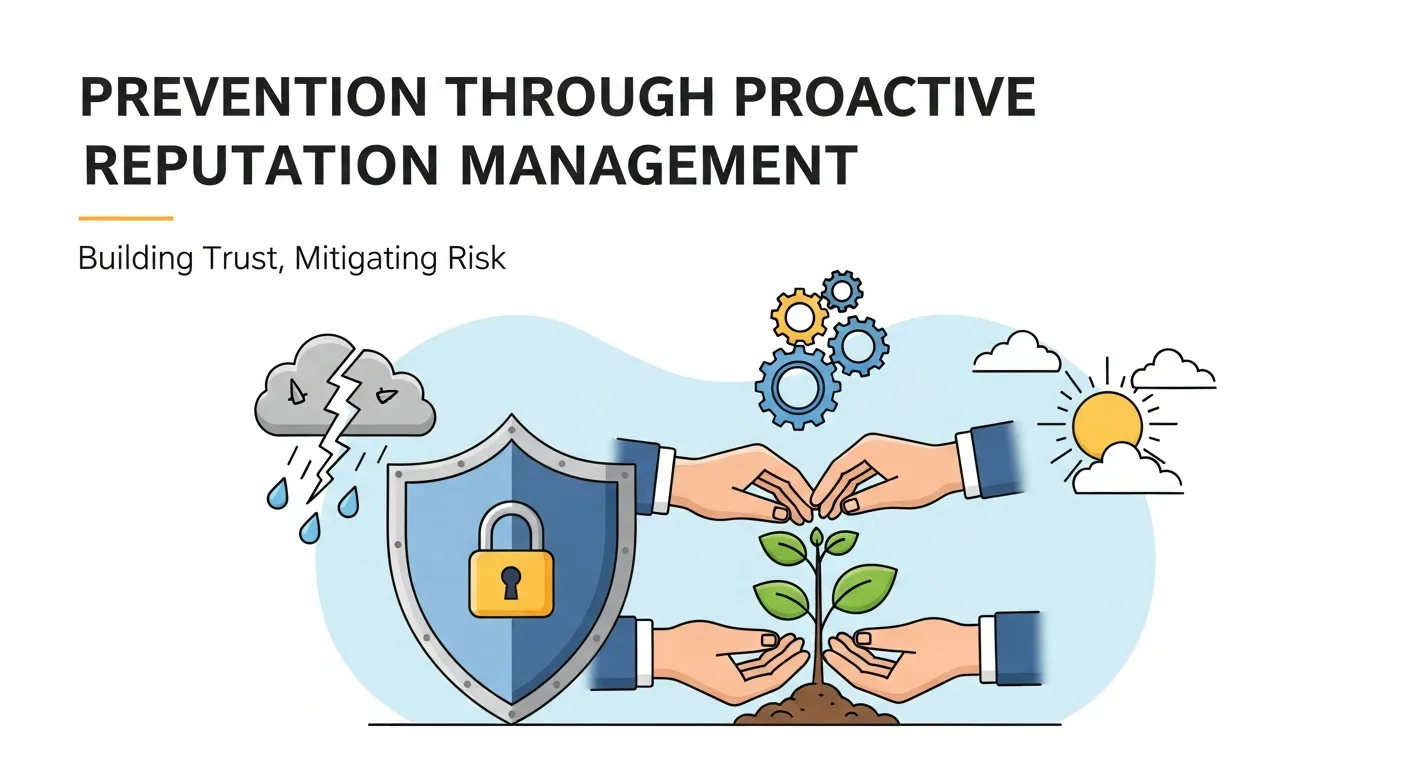
The best way to manage PR crises in stock prices is to prevent them before they occur. Smart organizations don’t wait for public backlash or market panic — they proactively identify, monitor, and address potential reputation risks early. Prevention protects not only brand image but also market valuation, investor confidence, and long-term credibility.
1. Risk Assessment and Monitoring
Forward-thinking companies regularly conduct reputation risk assessments to uncover vulnerabilities before they escalate into public crises. These evaluations help executives understand how operational flaws, communication gaps, or ethical lapses might trigger investor panic or media scrutiny.
Today, technology and analytics play a crucial role in early detection. Social media monitoring, sentiment analysis, and stakeholder feedback provide real-time warning signals, allowing companies to react before issues trend publicly.
Proactive monitoring is more than a PR function — it’s an investor protection strategy. Identifying risks early helps prevent sudden declines in market value and avoids the ripple effect often seen during PR crises in stock prices.
2. Crisis Preparedness
Preparation determines whether a company survives or collapses under reputational pressure. Having a crisis management plan in place can dramatically reduce financial fallout. These plans should outline:
- Clear communication strategies for employees, investors, media, and customers.
- Defined decision-making processes for rapid response.
- Stakeholder engagement protocols that maintain trust and transparency.
Regular simulations and drills ensure that leadership teams can act quickly and confidently when a crisis emerges. In high-stakes situations, hours — even minutes — can make the difference between a short-term dip and a lasting stock decline.
Companies that demonstrate preparedness, composure, and consistency during a crisis send a reassuring signal to investors, helping stabilize share prices even amid uncertainty.
3. Corporate Culture and Values

A strong corporate culture acts as a built-in safeguard against reputational harm. Companies that embed ethical conduct, accountability, and customer focus into their DNA face fewer crises and recover faster when they do occur.
When employees understand and embody company values, they make decisions that align with long-term trust rather than short-term gain. This internal alignment reduces the risk of misconduct — a leading cause of PR crises in stock prices across industries.
Moreover, a culture that prioritizes ethics and innovation often drives creative, customer-centric thinking. This not only helps prevent crises but also fosters smarter marketing approaches — including low budget product promotion ideas that deliver high ROI. When teams operate with integrity and resourcefulness, even small marketing investments can reinforce credibility, attract loyalty, and strengthen both reputation and revenue.
In essence, corporate culture isn’t just about internal behavior — it’s the foundation of how the market perceives a company’s reliability and long-term value.
The Long-Term View: Reputation as a Strategic Asset
The growing frequency of PR crises in stock prices highlights one essential truth — reputation is not just a communication issue; it’s a core financial asset. Companies with strong reputations consistently enjoy higher market valuations, lower capital costs, and stronger customer loyalty. These advantages directly influence long-term shareholder value and justify ongoing investment in proactive reputation management.
Reputation Management as a Strategic Priority
Leading organizations understand that reputation management isn’t a reaction to bad press — it’s a long-term business strategy. They invest in ethical cultures, transparent communication, and strong governance systems that minimize the risk of future crises.
By embedding integrity and accountability into their operations, these companies build resilience that protects them during volatile periods. Their reputation becomes a competitive moat, offering stability even when markets are unsettled by negative events.
Over time, this approach transforms reputation from a vulnerability into a strategic advantage — one that enhances investor confidence, attracts long-term capital, and strengthens brand equity across markets.
Patience and Consistency in Crisis Recovery
Recovering from PR crises in stock prices is rarely a quick process. While immediate actions — like leadership changes or public apologies — can limit short-term damage, full restoration of investor confidence often takes years.
Sustained recovery depends on consistent performance, transparent reporting, and demonstrated improvement. Markets eventually reward companies that take accountability, deliver measurable reforms, and communicate progress honestly.
Investors pay attention to patterns — they look for evidence that lessons have been learned and systems have improved. Quick fixes or superficial PR campaigns may calm headlines but fail to rebuild trust in the long run.
Reputation, Markets, and the Future
As information spreads faster and stakeholder expectations continue to rise, the connection between PR crises and stock market performance will only grow stronger. Transparency, ethics, and authenticity have become central to market valuation — not optional add-ons.
Companies that understand this dynamic and prepare proactively for potential crises are better positioned to protect their market value and recover swiftly when challenges arise. In the modern economy, managing reputation isn’t just about avoiding bad press — it’s about safeguarding shareholder wealth and ensuring long-term market stability.
FAQ: Understanding PR Crises, Reputation, and Market Recovery
1. What is a PR crisis, and how does it affect a company’s stock price?
A PR crisis occurs when negative publicity damages a company’s reputation, leading to loss of consumer trust and investor confidence. When public sentiment turns sharply negative, investors often sell shares rapidly, causing immediate stock price drops. This chain reaction — panic selling, regulatory scrutiny, and consumer backlash — explains how PR crises tank stock prices and recovery strategies that work often involve transparency, leadership accountability, and long-term reputation rebuilding.
2. Why do investors react so quickly during PR crises?
Investor behavior is driven by confidence. When a company faces a PR disaster, uncertainty rises, and markets hate uncertainty. Many investors — especially institutions — liquidate holdings early to avoid perceived risk. The result is a rapid sell-off that pushes prices down sharply before any official resolution occurs. Maintaining timely, transparent communication helps limit this reaction and stabilizes market sentiment.
3. What are the most common causes of PR crises that impact stock prices?
Common causes include corporate misconduct, product safety failures, data breaches, ethical scandals, and executive misbehavior. Each type of crisis erodes trust differently, but all share the same financial outcome — shaken investor confidence and declining stock value. Companies that invest in proactive reputation management and crisis preparedness can minimize long-term impact.
4. How can companies recover after a PR crisis damages their stock value?
Recovery begins with acknowledging mistakes, followed by visible corrective action. This might include leadership changes, operational reforms, and continuous communication with investors. Firms that show accountability and transparency regain trust faster. Over time, consistent improvements and clear progress updates demonstrate that the company is learning from the crisis, helping stock prices gradually recover.
5. How do marketing strategies influence stock prices?
Marketing directly affects investor perception and customer sentiment, both of which drive valuation. Strong, consistent branding builds trust and attracts investor interest, while poor or deceptive marketing can harm reputation. Understanding how marketing strategies influence stock prices allows businesses to use brand communication as a stabilizing force during turbulent periods and a growth driver during recovery.
6. What role does social media play in accelerating PR crises?
Social media acts as both a catalyst and amplifier. Negative news spreads globally within minutes, often before a company can issue an official statement. Viral outrage magnifies reputational harm, and misinformation can worsen stock volatility. Companies that monitor digital chatter and respond quickly with verified information can contain narrative damage and maintain partial investor confidence.
7. Can marketing help in crisis recovery?
Absolutely. Strategic marketing can rebuild credibility and reposition a brand post-crisis. By highlighting transparency, ethical changes, and customer commitment, marketing becomes part of the healing process. The key is how to align marketing with corporate values and actions — ensuring every message reinforces authenticity and accountability, not empty promises.
8. Do large companies recover faster from PR crises than small firms?
Generally, yes — large firms often recover faster because of diversified revenue streams, stronger financial reserves, and established customer bases. However, their high visibility means longer media coverage and more regulatory scrutiny. Smaller firms, though more vulnerable, can recover by being nimble, transparent, and customer-focused.
9. How can companies prevent PR crises from affecting stock prices?
Prevention comes from strong governance, ethical leadership, and regular risk assessments. Monitoring public sentiment, auditing operations, and maintaining compliance reduce the likelihood of crises. Equally important is crisis communication planning — preparing response frameworks in advance ensures companies react quickly and maintain market stability when issues arise.
10. Why is reputation management considered a long-term investment?
Reputation doesn’t rebuild overnight. It’s earned through consistent performance, transparency, and alignment between promises and actions. Companies that treat reputation as an asset — not a reactive concern — outperform peers over time. In essence, effective crisis recovery and ethical marketing are two sides of the same coin: both strengthen brand equity and protect shareholder value long after the headlines fade.
Learn more: How Marketing Strategies Influence Stock Prices