Boosting Product Sales with Powerful Outbound Marketing Strategies
This blog explores effective outbound marketing strategies that boost product sales through proactive outreach, targeted advertising, and trust-building tactics. It highlights how combining traditional outbound methods with modern digital tools can increase visibility, engagement, and conversions in today’s competitive market.
Outbound marketing strategies remain a cornerstone for driving product sales, even in today’s digital-first world. While inbound methods often steal the spotlight, well-executed outbound campaigns can generate immediate attention, expand reach, and accelerate conversions. From targeted email outreach and paid advertising to direct engagement and media placements, outbound marketing helps brands actively connect with prospects — instead of waiting for them to come.
In this blog, we’ll uncover how powerful outbound marketing strategies can amplify your product visibility, build credibility, and boost sales performance in a competitive market.
Why Outbound Marketing Still Matters
Outbound marketing is all about taking the initiative to reach your audience where they are. Whether it’s through cold calls, direct mail, or trade shows, these “old-school” methods catch attention in ways that digital strategies sometimes can’t replicate.
But here’s the key to making outbound marketing work in today’s market: trust. Consumers are bombarded with marketing messages daily, and trust is what cuts through the noise. By integrating trust-building elements like testimonials, customer reviews, and endorsements into your outbound campaigns, you can turn heads and hearts.
And when your audience believes in your message, they’re far more likely to take action.
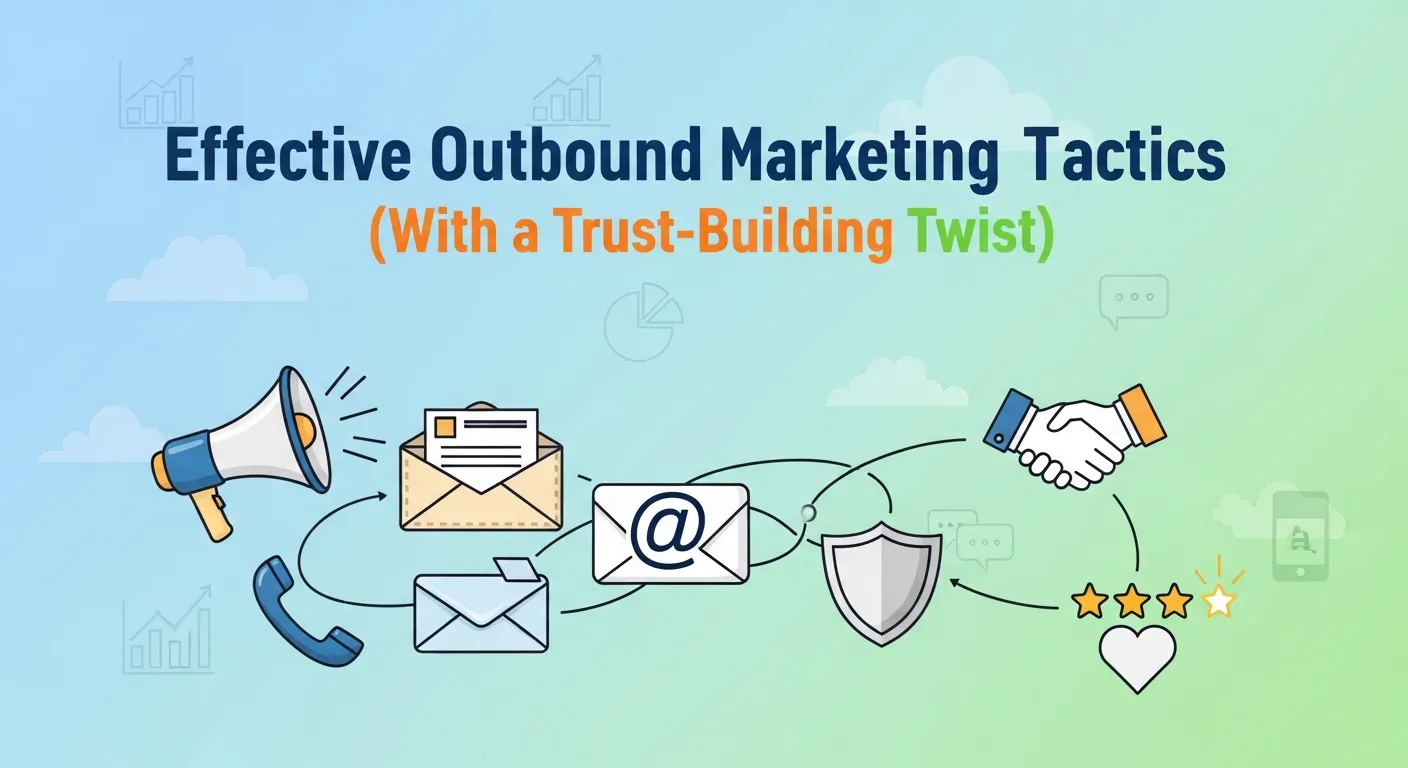
Effective Outbound Marketing Tactics (With a Trust-Building Twist)
1. Direct Mail That Delivers Results
Direct mail may seem retro, but its tangible nature gives it an edge that digital channels can’t match. A beautifully designed brochure or postcard captures attention and lingers on desks and countertops.
Trust Booster: Include real customer testimonials or success stories in your mail. For instance, “I saved 10 hours a week by switching to this product.” Add a QR code or URL that links to a case study or video showcasing customer experiences.
2. Cold Calls with a Personal Touch
Cold calls might have a reputation as old-fashioned, but personalization can change the game. Start your calls by addressing specific pain points unique to the recipient’s industry.
Trust Booster: Use real customer stories as evidence of your product’s success. Saying something like, “Other professionals in your field have reduced costs by 25% using our product” establishes credibility quickly.
3. Event Marketing That Builds Connections
Live events, whether in-person product demos or online webinars, offer unmatched opportunities for one-on-one engagement. Showcase your product’s strengths through interactive presentations and hands-on demonstrations.
Trust Booster: Use customer testimonials during your presentation or invite satisfied clients to speak about their experience. Their authentic endorsement carries weight that no sales pitch can rival.
4. Print Advertising That Stands Out
Print advertising remains effective for reaching niche audiences through industry-specific publications. Captivate readers with a headline that highlights your product’s benefits, but go beyond visuals to establish trust.
Trust Booster: Incorporate trust-building cues, such as “Rated 4.9/5 by over 2,000 customers” or “Trusted by leading brands in the industry.” These subtle touches can make your ad far more persuasive.
5. Trade Shows That Position You as a Leader
Trade shows are a fantastic way to put your brand in front of a highly engaged audience. Set up an eye-catching booth to showcase your products while positioning yourself as an industry leader.
Trust Booster: Fill your booth with customer success stories, case studies, and glowing testimonials. Offering exclusive discounts for attendees adds an immediate sense of value.
6. Radio and Podcast Ads That Tell a Story
Radio and podcasts reach audiences who are actively listening. Use this channel to tell an engaging story about your product or highlight a real user success story.
Reference credible achievements, such as, “Featured by [credible publication/authority],” or highlight industry-specific endorsements. Mentioning these builds instant trust and authority.
Why Outbound Marketing Should Be Part of Every Product Launch Plan
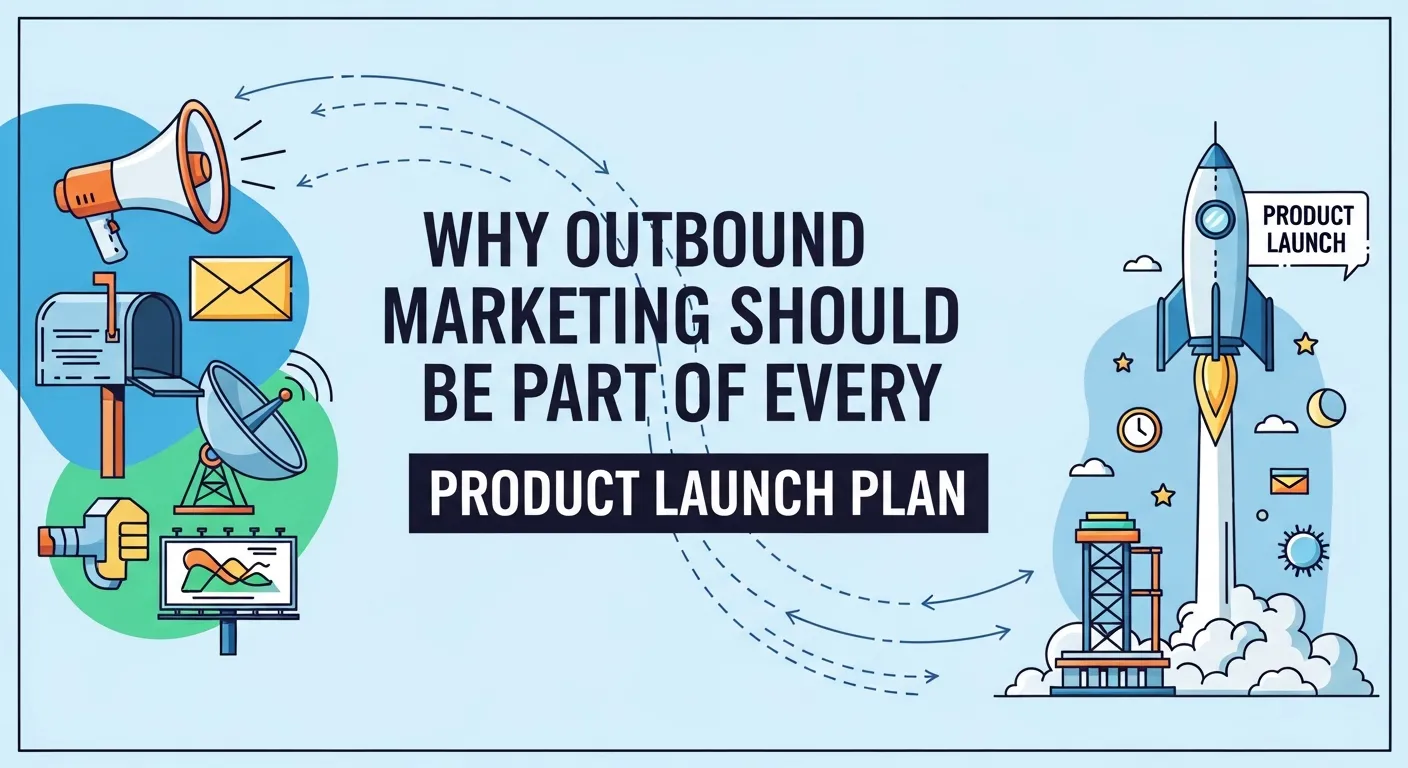
Launching a new product without outbound marketing is like opening a store without telling anyone. Outbound marketing provides the push needed to introduce your product to the right audience, fast. It ensures visibility, builds initial traction, and creates momentum from day one.
Here’s why outbound marketing should be part of every product launch plan:
- Immediate Awareness: It drives quick exposure across multiple channels.
- Audience Validation: Direct outreach provides real-time market feedback.
- Competitive Positioning: Outbound campaigns let you define your brand narrative before competitors do.
- Trust Establishment: Early testimonials, media features, and event appearances create brand confidence.
| Outbound Tactic | Launch Phase Benefit | Example |
|---|---|---|
| Email Outreach | Pre-launch buzz | Teasing product benefits to existing customers |
| Trade Shows | Product introduction | Live demos and Q&A sessions |
| Paid Ads | Post-launch traction | Retargeting website visitors with special offers |
When planning your next launch, remember — outbound marketing should be part of every product launch plan if you want faster brand recognition and stronger early sales.
Understanding What Is Outbound Product Marketing
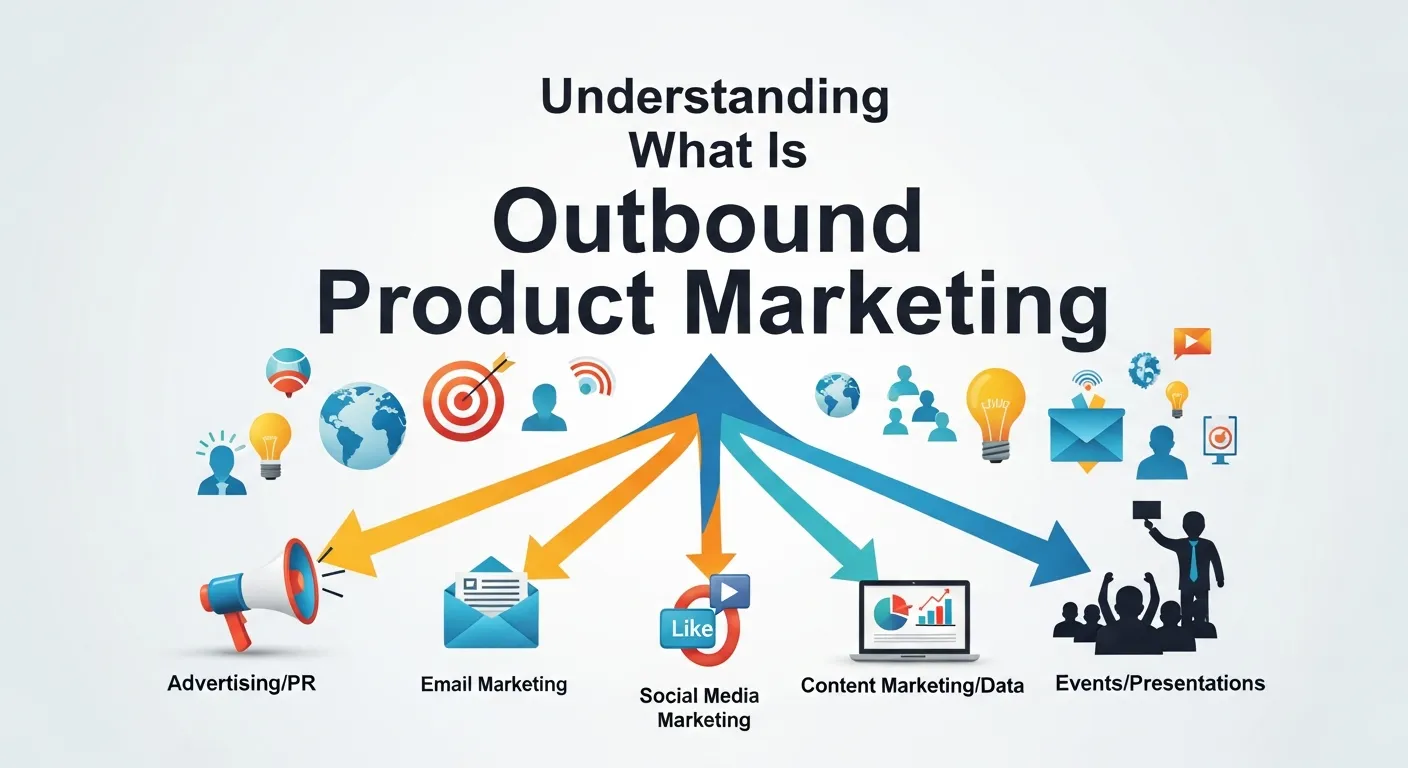
Before implementing campaigns, it’s crucial to understand what is outbound product marketing and how it differs from general outbound strategies. Outbound product marketing focuses specifically on promoting a product’s value, features, and benefits through proactive outreach designed to influence purchasing decisions.
Core Components of Outbound Product Marketing:
- Audience Targeting: Identifying decision-makers and high-intent prospects.
- Message Crafting: Creating benefit-driven content tailored to customer pain points.
- Channel Selection: Choosing platforms — like direct mail, events, or podcasts — that align with your audience behavior.
- Performance Tracking: Measuring engagement, lead quality, and conversion rates.
| Aspect | Outbound Product Marketing | Inbound Marketing |
|---|---|---|
| Approach | Proactive outreach | Attracting inbound interest |
| Speed of Impact | Immediate | Gradual |
| Objective | Drive awareness & conversions quickly | Build long-term organic growth |
| Measurement | Response rate, sales lift | Traffic, leads, engagement |
By mastering outbound product marketing, brands can complement their inbound efforts with targeted, high-impact campaigns that accelerate revenue growth and strengthen market positioning.
Measuring the Success of Your Outbound Marketing Strategies
Once you’ve implemented your outbound campaigns, measuring their performance is crucial to understanding what works and where to improve. Tracking the right metrics helps refine your strategy and maximize ROI.
Key Metrics to Track
- Response Rate: Measure how many recipients engage with your outbound message (emails, calls, or ads).
- Conversion Rate: Track how many prospects actually make a purchase or request more information.
- Cost per Lead (CPL): Evaluate campaign efficiency by dividing total spend by number of qualified leads.
- Customer Acquisition Cost (CAC): Assess the full cost of acquiring a new customer through outbound efforts.
- Return on Marketing Investment (ROMI): Determine the profitability of each outbound campaign.
| Metric | Purpose | Optimization Tip |
|---|---|---|
| Response Rate | Indicates audience engagement | Test new messaging angles or visuals |
| Conversion Rate | Measures effectiveness of offers | Refine call-to-action clarity |
| Cost per Lead | Tracks campaign efficiency | Use automation tools to reduce cost |
| Customer Acquisition Cost | Reveals profitability | Target high-value customer segments |
| ROMI | Overall success indicator | Combine outbound + ORM data for accuracy |
Successful marketers treat measurement as an ongoing cycle — test, track, learn, and optimize. By consistently evaluating your outbound marketing strategies, you ensure that each campaign contributes to stronger brand performance and sustained product sales.
Merging Outbound Marketing with Online Reputation Management
The best outbound marketing strategies don’t operate in isolation. Combining these tactics with robust Online Reputation Management (ORM) ensures that your campaigns start on solid ground. Here’s how you can amplify the effects of your outbound efforts through ORM:
Highlight Positive Reviews
Your satisfied customers are your best advocates. Use their glowing testimonials in your campaigns. Integrate these reviews across your marketing materials, from direct mail to print ads and beyond.
Address Negative Feedback Proactively
Nothing undermines a campaign like unresolved customer complaints. Prior to launching your next outbound campaign, address any negative feedback your brand has received to maintain a positive image.
Leverage Customer Success Stories
Storytelling is one of the most compelling ways to connect with your audience. Share stories of how your product solved real-world problems for other customers. Showcase these across media like mailers, cold calls, and event presentations.
Collaborate with Trusted Partners
Partnering with reputable influencers or brands in your industry adds instant credibility. By forming strategic alliances, you can enhance your brand’s authority and broaden your audience’s trust in your product.
Building Trust Through Promotions
The secret to winning with outbound marketing lies in building trust into every interaction. It’s not enough to simply promote your product; you need to demonstrate its value and reliability through evidence that your target audience can believe.
From customer testimonials to industry endorsements, trust-building elements make all the difference. When you fuse the proactive nature of outbound marketing with trust-focused strategies, you create campaigns that don’t just grab attention but inspire confidence.
Become an Outbound Marketing Pro
Outbound marketing isn’t just for the past; it’s a dynamic tool that, when paired with trust-building efforts, can transform your product promotions. Whether you’re using direct mail, hosting events, or running podcast ads, the key to success lies in showing, not just telling, the value of what you offer.
Want results-driven strategies tailored to your business? Contact us today to power your product sales with a winning outbound marketing approach.
FAQ: Outbound Marketing Strategies Explained
1. What are outbound marketing strategies and why are they important for product sales?
Outbound marketing strategies are proactive promotional tactics that reach potential customers directly through methods like email outreach, advertising, and trade shows. They’re important because they help brands control their message, create immediate visibility, and generate fast results — especially when launching or scaling a product.
2. How does outbound marketing differ from inbound marketing?
Outbound marketing pushes your message to audiences (ads, cold calls, mail), while inbound marketing attracts them through valuable content (blogs, SEO, social media). Outbound is fast and targeted; inbound builds long-term trust and organic traffic. Both play complementary roles in a full marketing strategy.
3. Outbound vs inbound product marketing — which works best at each stage?
When it comes to outbound vs inbound product marketing which works best at each stage, the answer depends on your product’s lifecycle. Outbound marketing performs best during launch and growth stages when you need awareness and quick traction. Inbound marketing becomes more effective during the maturity stage, sustaining engagement and loyalty through valuable content. The ideal approach blends both for steady, scalable growth.
4. Can you use both inbound and outbound marketing together?
Absolutely. Many successful brands combine both methods for a balanced approach. For instance, you can use outbound campaigns to attract attention and drive traffic, then rely on inbound techniques like content or email nurturing to convert and retain leads. In short, can you use both inbound and outbound marketing? — yes, and doing so often yields the best results.
5. Inbound vs outbound marketing — which strategy is right for your business?
Choosing between the two depends on your goals, budget, and timeline. If you want fast brand awareness, outbound is your go-to. If your focus is sustainable relationship-building, inbound is better. Ultimately, effective outbound marketing strategies for business growth comes down to how quickly you want results and how deeply you want to engage your audience.
6. What are some examples of effective outbound marketing channels?
Some of the most effective channels include:
- Email Marketing: Personalized campaigns for direct reach.
- Cold Calling: Engages prospects with tailored solutions.
- Direct Mail: Tangible materials that build brand recall.
- Paid Advertising: Quick exposure through search and social platforms.
- Trade Shows & Events: Face-to-face product demonstrations and networking.
7. How can outbound marketing help during a new product launch?
Outbound marketing drives instant visibility during a product launch. Through email announcements, event showcases, and media coverage, you can introduce your offering to targeted audiences quickly. It’s particularly useful for gaining early feedback and creating buzz before competitors enter the scene.
8. What metrics should you track to measure outbound marketing success?
Key metrics include response rate, conversion rate, cost per lead (CPL), customer acquisition cost (CAC), and return on marketing investment (ROMI). Monitoring these helps identify which campaigns perform best, where to optimize spending, and how to refine your overall outbound strategy.
9. How do you make outbound marketing more effective in the digital age?
Blend traditional outreach with digital personalization. Use automation tools, audience segmentation, and dynamic messaging to make your outreach feel more relevant. Combine channels — for example, follow up a direct mail campaign with a personalized email or LinkedIn message — to strengthen connection and recall.
10. Is outbound marketing still relevant in 2026?
Yes, more than ever. In a world flooded with online noise, personalized outbound tactics stand out. When integrated with trust elements like testimonials, influencer partnerships, and reputation management, outbound marketing remains a powerful driver of engagement, conversions, and brand credibility.
You can learn about: Influencer Marketing: Inbound or Outbound Strategy?