LinkedIn Strategies: Beyond Basic Professional Networking
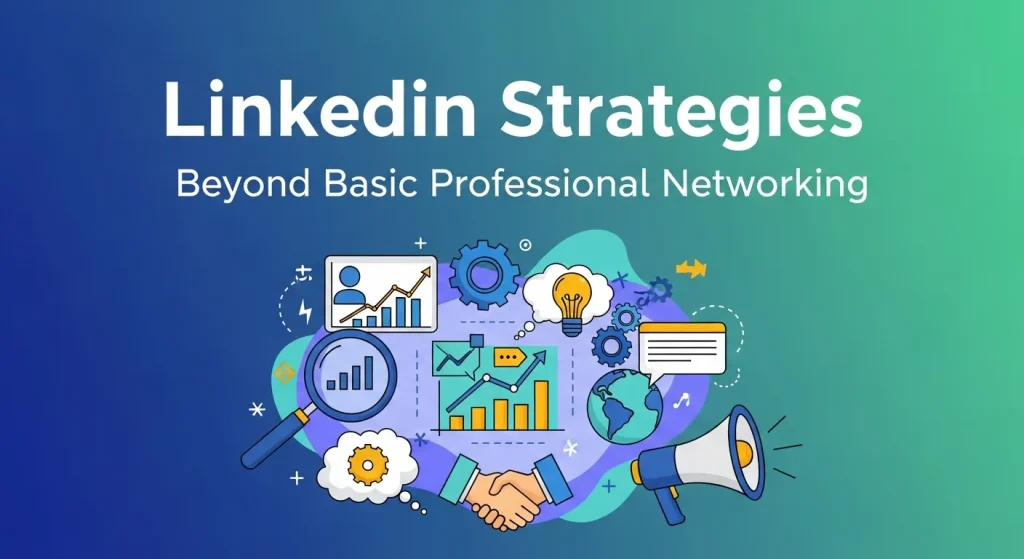
LinkedIn Strategies has evolved into a dynamic platform for growth, influence, and opportunity. Success today goes beyond simple networking—professionals who master LinkedIn’s advanced tools and strategies build stronger brands, expand reach, and unlock meaningful career and business opportunities.
LinkedIn Strategies has transformed from a digital résumé hub into a dynamic platform for professional growth, thought leadership, and business expansion. While many users stop at creating a profile and making a few connections, top performers understand that real success on LinkedIn comes from using advanced strategies that maximize its full potential.
The Evolution of LinkedIn Strategic Business Tool
The modern LinkedIn Strategies landscape rewards intentional engagement over passive activity. What once served primarily as an online résumé and job-hunting platform has evolved into a powerful hub for content marketing, professional networking, and brand positioning. Today, forward-thinking professionals and businesses are adopting LinkedIn strategies designed to build influence, generate leads, and foster meaningful relationships within their industries.
According to LinkedIn Strategies own research, only about 1% of users consistently create original content — yet this small, active group drives nearly 60% of all engagement across the platform. This “content creation gap” highlights an enormous opportunity for those who apply smart LinkedIn strategies to stand out. Regularly publishing thought leadership posts, sharing industry insights, and engaging with others’ content can dramatically boost visibility and credibility.
Modern LinkedIn strategies go far beyond posting updates or collecting connections. They involve building a consistent personal brand narrative, using analytics to guide engagement, and aligning every interaction with business or career goals. When done right, these strategies turn LinkedIn into more than just a social network — they transform it into a strategic business tool for growth, reputation, and long-term success.
Content Strategy That Drives Meaningful Engagement
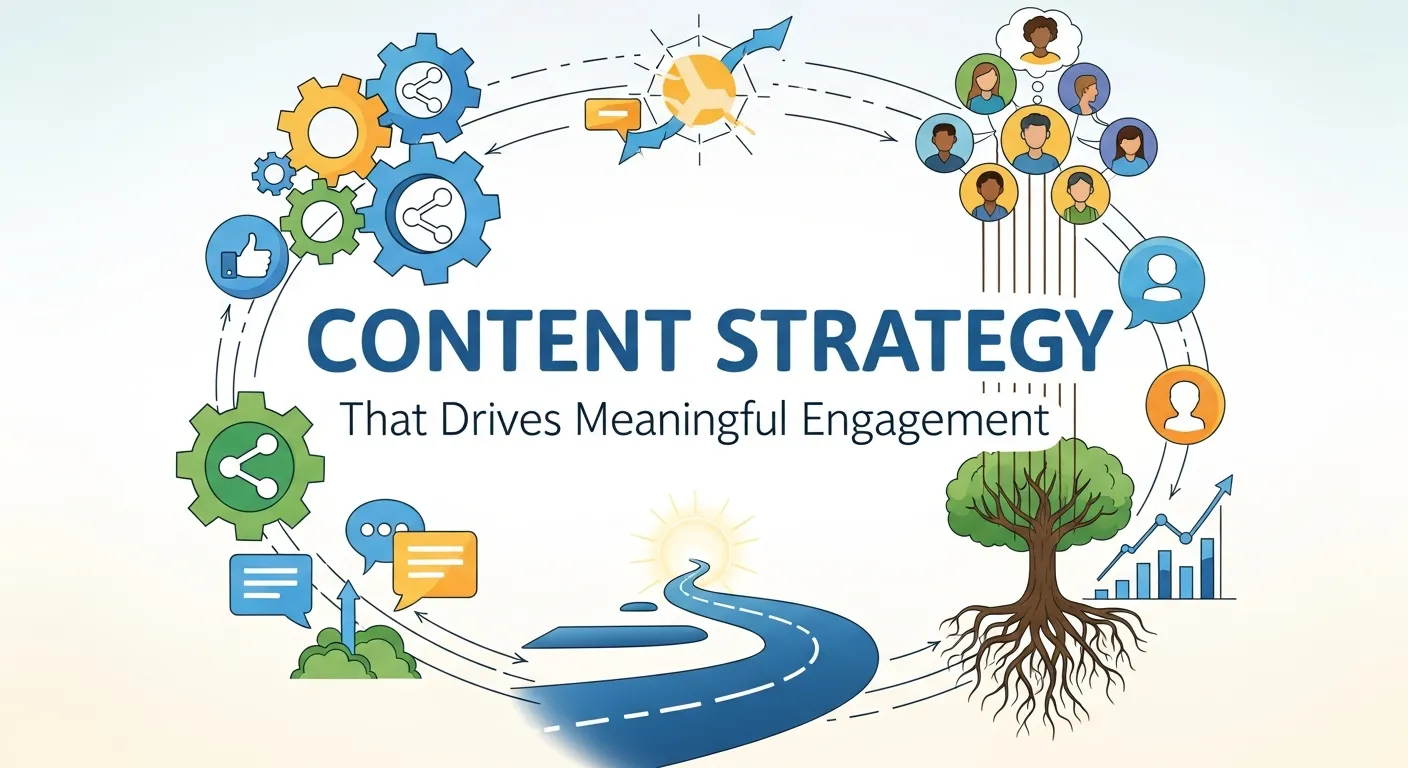
The most effective LinkedIn strategies content strikes a delicate balance between providing genuine value and subtly positioning your expertise. Rather than overtly promotional material, focus on addressing industry pain points, sharing informed perspectives on relevant trends, and offering actionable insights your audience can immediately apply.
Crafting High-Impact LinkedIn Content
The most effective LinkedIn strategies focus on creating content that balances genuine value with subtle self-positioning. Instead of relying on overtly promotional material, prioritize posts that:
- Address industry pain points and common challenges.
- Share informed perspectives on emerging trends or market shifts.
- Offer actionable insights that your audience can immediately apply in their own work.
Content that performs best on LinkedIn often blends personal experience with broader industry implications. When you anchor your insights in real-world examples or lessons learned from experience, your message feels more authentic and relatable—helping you establish authority while connecting with your audience on a human level.
Building a Consistent Presence
In successful LinkedIn strategies, consistency trumps frequency. It’s not about posting every day—it’s about maintaining a sustainable publishing rhythm that your audience can rely on. Whether weekly or bi-weekly, this regular cadence signals to both your followers and the LinkedIn strategies algorithm that you’re a dependable content creator, gradually increasing your organic reach and engagement.
Developing Your Unique Voice
As outlined in our broader content strategy framework, your distinctive voice is the cornerstone of personal branding on LinkedIn strategies. When your tone, insights, and storytelling align with your professional identity, you build recognition and trust. Over time, this unique perspective becomes your competitive advantage, setting you apart in a crowded digital space.
Beyond Standard Networking

True success on LinkedIn comes from going beyond standard networking — moving past simple connection requests to building meaningful, long-term professional relationships. The most effective LinkedIn strategies focus on quality over quantity, prioritizing authentic engagement, mutual value, and consistent presence within your professional community.
Strategic relationship building on LinkedIn isn’t about collecting contacts; it’s about cultivating trust. Genuine connections begin when you actively participate in discussions, share valuable insights, and show real interest in others’ expertise. Thoughtful engagement — such as commenting on posts with personalized observations or asking follow-up questions — demonstrates emotional intelligence and professional respect. This consistent approach strengthens your credibility and makes you stand out among thousands of passive users.
Before reaching out to high-value connections, invest time in understanding their professional focus. Review their recent posts, articles, and comments to identify shared interests or complementary goals. Engaging first through meaningful interaction creates familiarity, increasing the likelihood that your connection request will be accepted. This is one of the LinkedIn strategies top professionals use to establish rapport and initiate relationships that lead to collaboration, mentorship, and business opportunities.
Building Influence Through Group Engagement
LinkedIn Groups, though often underutilized, remain one of the most powerful yet overlooked LinkedIn strategies for expanding your influence. Instead of joining dozens of groups and spreading yourself thin, focus your attention on two or three highly relevant communities aligned with your industry or niche.
Within these groups, consistency and contribution matter more than presence alone. Share practical insights, start meaningful conversations, and offer solutions to common challenges faced by members. This approach positions you as a knowledgeable and trusted voice — someone who adds value rather than noise.
| Group Strategy | Action Step | Benefit |
|---|---|---|
| Select Niche Groups | Join 2–3 communities relevant to your expertise | Builds credibility within targeted networks |
| Engage Consistently | Comment on discussions weekly and initiate new topics | Strengthens visibility and recognition |
| Share Insights & Resources | Provide actionable advice or useful content | Positions you as a thought leader |
| Build Personal Relationships | Follow up with active members outside the group | Expands your professional network organically |
When executed with intention, LinkedIn strategies centered on active participation and relationship-building can lead to partnerships, referrals, and new business ventures.
Turning Connections into Collaborations
Effective LinkedIn strategies don’t stop at gaining followers or adding connections — they evolve into genuine collaborations. Once you’ve built rapport, explore opportunities to co-create content, exchange expertise, or engage in joint ventures that benefit both parties. These collaborations not only strengthen your professional network but also amplify visibility across multiple audiences.
By approaching LinkedIn networking with patience, authenticity, and a clear strategy, you transform casual connections into lasting professional relationships that fuel career and business growth.
Leveraging LinkedIn’s Advanced Features
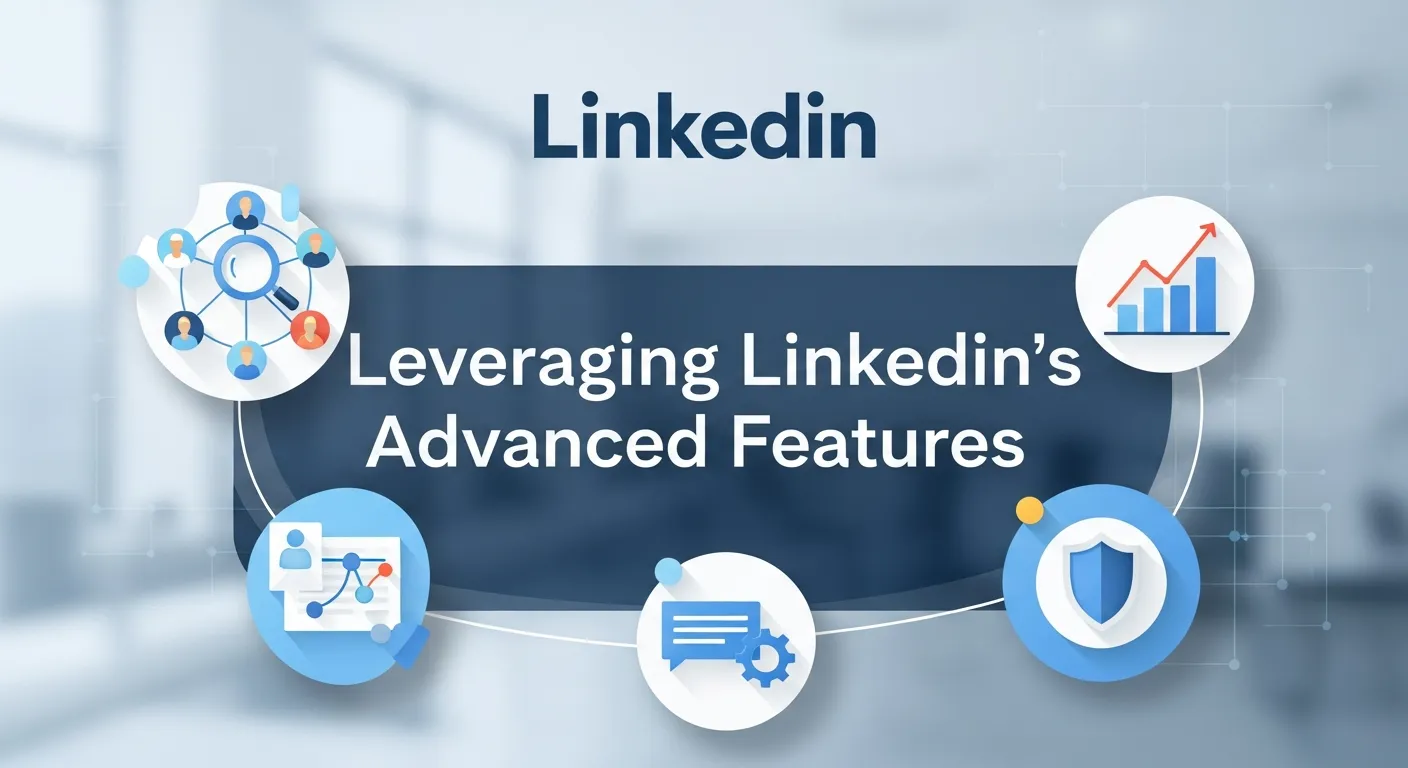
LinkedIn’s Sales Navigator provides powerful prospecting capabilities that extend far beyond the platform’s free version. With advanced search filters, automated lead recommendations, and relationship-building tools, this premium option delivers substantial value for professionals in business development roles.
LinkedIn strategies Events has emerged as a powerful feature for hosting virtual gatherings, webinars, and professional discussions. By organizing valuable events, you position yourself as a community builder while creating opportunities for deeper audience engagement and relationship development.
The platform’s native newsletter feature allows committed content creators to develop subscriber relationships that transcend standard post visibility. Through consistent, valuable newsletter content, you create direct access to your audience’s inbox—a privilege that shouldn’t be taken lightly.
Integrating LinkedIn into Broader Marketing Ecosystems
LinkedIn no longer operates in isolation—it’s a vital component of a brand’s social media marketing ecosystem. When strategically aligned with other platforms, LinkedIn strategies amplifies reach, nurtures leads, and strengthens brand authority through professional storytelling.
Key integration tactics include:
- Cross-promotion: Repurpose high-performing LinkedIn strategies posts on X (Twitter) or Instagram to expand visibility.
- Unified messaging: Maintain consistent brand tone and visuals across all social channels.
- Data alignment: Use LinkedIn strategies analytics to refine campaign strategies across your marketing mix.
| Platform | Primary Purpose | Content Type | Engagement Goal |
|---|---|---|---|
| B2B thought leadership | Articles, carousels, case studies | Authority & credibility | |
| Brand personality | Visual storytelling, reels | Awareness & engagement | |
| X (Twitter) | Real-time insights | Short-form updates, threads | Conversation & visibility |
| Community building | Events, discussions | Relationship nurturing |
When LinkedIn strategies is integrated seamlessly within a social media marketing plan, it transforms from a standalone professional tool into a cohesive driver of brand growth and digital influence.
Analytics-Driven Strategy Refinement
LinkedIn provides robust analytics tools that reveal detailed insights about your content performance and audience demographics. By regularly analyzing these metrics, you can refine your approach based on what resonates most strongly with your specific professional audience.
According to research from HubSpot, LinkedIn generates leads at nearly three times the rate of other major social platforms. This effectiveness stems from the platform’s professional context and sophisticated targeting capabilities, which facilitate connections with decision-makers in your target market.
When evaluating your LinkedIn strategies performance, look beyond vanity metrics like connection counts or simple engagement numbers. Focus instead on meaningful indicators that align with your professional goals, whether that’s quality conversations, website traffic, or actual business opportunities generated through the platform.
Leveraging Influencer Collaborations on LinkedIn
While influencer marketing is often associated with consumer brands, B2B professionals are increasingly leveraging influencer marketing campaigns on LinkedIn strategies to establish authority, expand audience reach, and drive engagement within niche industries.
Modern professionals and companies can collaborate with industry influencers to co-create authentic content that resonates with highly targeted audiences. This approach works especially well for thought leadership, product education, and event promotion.
Practical applications include:
- Partnering with recognized industry experts for co-authored articles or webinars.
- Featuring influencers in panel discussions or live LinkedIn Events.
- Engaging influencers to amplify high-value posts through strategic mentions and shares.
| Campaign Type | Objective | Example Collaboration |
|---|---|---|
| Thought Leadership Series | Expand brand authority | Joint article or video post |
| Product Education Campaign | Explain complex offerings | Influencer walkthroughs or reviews |
| Event Promotion | Increase attendance | Influencer-hosted LinkedIn Live |
Cultivating Thought Leadership
True thought leadership on LinkedIn strategies requires a deliberate approach to positioning yourself at the forefront of industry conversations. This means staying informed about emerging trends, forming and articulating well-reasoned perspectives, and consistently contributing valuable insights to ongoing professional discussions.
The most respected voices on LinkedIn don’t merely report industry news—they contextualize developments, challenge conventional thinking, and offer forward-looking perspectives that help their audience navigate complex professional landscapes.
Developing thought leadership requires patience and persistence. Rather than chasing viral moments, focus on building a body of work that demonstrates consistent expertise and a unique viewpoint on matters relevant to your professional community.
Empowering Employee Advocacy and User-Generated Content
One of the most underutilized LinkedIn strategies is encouraging employees, customers, and brand advocates to contribute authentic stories and testimonials. Leveraging user generated content for product promotion can significantly enhance credibility, as audiences trust peer insights more than branded messaging.
Encourage employees and satisfied clients to share:
- Success stories involving your product or service.
- Behind-the-scenes insights into company culture or innovation.
- Personal experiences with your brand’s impact or transformation.
| Contributor Type | Ideal Content | Brand Benefit |
|---|---|---|
| Employees | Culture highlights, thought pieces | Humanizes the brand |
| Customers | Testimonials, product use cases | Builds social proof |
| Partners | Collaboration stories | Expands network visibility |
When consistently encouraged, user generated content for product promotion turns your audience into advocates—creating a ripple effect of trust, reach, and authentic engagement across LinkedIn.
Strategic Profile Optimization
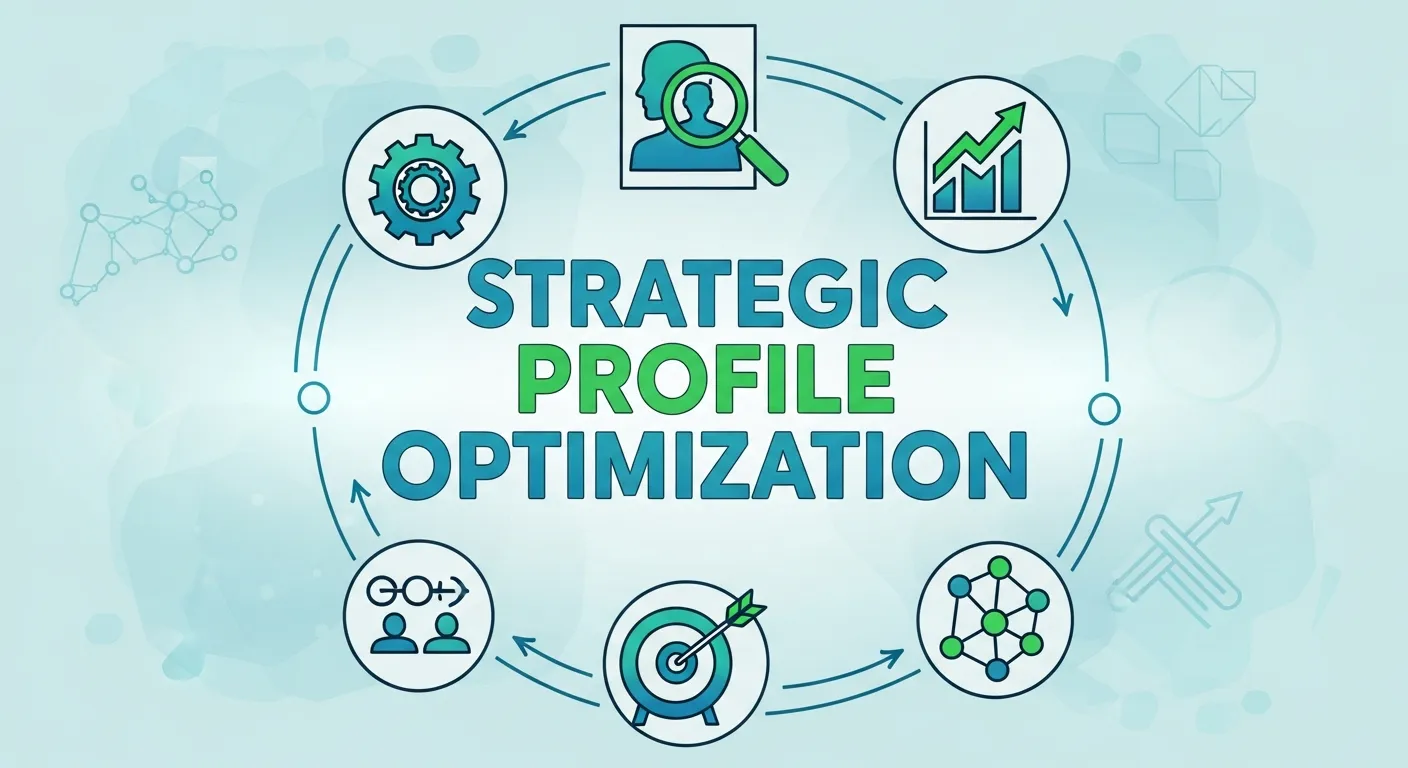
Your LinkedIn profile is more than just an online résumé — it’s your digital storefront, personal branding hub, and the foundation for every connection, conversation, and opportunity that unfolds on the platform. Effective LinkedIn profile optimization ensures that every element of your presence communicates credibility, expertise, and authenticity. A well-structured profile attracts recruiters, clients, collaborators, and investors by signaling professionalism and strategic intent.
A strong LinkedIn profile optimization strategy begins with refining the basics:
- Professional Headline: Go beyond your job title. Use relevant keywords that define your role, industry, and value proposition.
- Profile Photo and Banner: Choose high-quality visuals that reflect your professional personality and brand identity.
- Custom URL: Simplify your LinkedIn URL for easier sharing and enhanced discoverability.
Crafting a Compelling “About” Section
The “About” section is your opportunity to tell your story — not just list your qualifications. Through LinkedIn profile optimization, this space transforms into a narrative that connects your skills, achievements, and motivations into a cohesive professional brand. A powerful summary should:
- Begin with a strong opening hook that captures attention.
- Highlight key expertise areas using industry-relevant keywords.
- Incorporate metrics or achievements that demonstrate real-world impact.
- End with a clear call to action (e.g., inviting collaboration, consulting opportunities, or partnerships).
A compelling professional story builds emotional resonance with your audience, making you memorable long after they leave your profile.
Showcasing Achievements and Experience Strategically
Every section of your LinkedIn profile should reflect your value proposition. When detailing experience, go beyond responsibilities — focus on outcomes. Use concise, achievement-driven bullet points to demonstrate tangible results. Example:
- “Led a marketing campaign that increased qualified leads by 45% within six months.”
- “Implemented automation strategies that reduced project turnaround time by 30%.”
These measurable results enhance LinkedIn profile optimization by reinforcing credibility and providing evidence of your impact.
A Sustainable Approach to LinkedIn Success
Sustainable LinkedIn success requires integration with your broader professional development and business strategy. Time invested on the platform should advance specific career or business objectives rather than generating activity without purpose.
Effective LinkedIn engagement often follows the 80/20 principle: spend 80% of your time engaging meaningfully with others’ content and 20% creating and promoting your own. This balanced approach builds goodwill, expands your network organically, and positions you as a community contributor rather than simply a self-promoter.
The professionals who derive the greatest value from LinkedIn approach the platform with genuine curiosity and a desire to build relationships rather than viewing it as merely a marketing channel. This authentic engagement creates the foundation for meaningful professional opportunities that extend far beyond the digital realm.
By implementing these advanced LinkedIn strategies, you’ll move beyond basic networking to establish a powerful professional presence that generates valuable relationships, enhances your industry standing, and creates tangible business opportunities.
Frequently Asked Questions About Marketing Strategies and Stock Performance
1. How are marketing strategies connected to stock market performance?
Marketing plays a critical role in shaping investor sentiment, brand perception, and overall market confidence. When marketing successfully enhances customer loyalty and brand visibility, it can positively impact share value. Understanding how marketing strategies influence stock prices helps businesses see marketing not as a cost, but as a long-term investment in brand equity.
2. Why do PR crises have such a strong effect on stock prices?
Public relations disasters often trigger immediate declines in investor confidence and customer trust. Negative headlines can lead to rapid sell-offs and valuation drops. Learning how PR crises tank stock prices and recovery strategies that work allows companies to prepare crisis communication plans that restore credibility and stabilize market performance after reputational damage.
3. How can companies recover from a marketing or PR crisis?
Effective recovery begins with transparency and accountability. Brands must communicate openly with stakeholders, correct mistakes quickly, and realign messaging to rebuild trust. Over time, consistent actions and value-based storytelling can reverse negative sentiment and restore investor confidence.
4. Can marketing campaigns directly impact investor behavior?
Yes. Major marketing initiatives—such as product launches, rebranding efforts, or social impact campaigns—often affect how investors perceive growth potential. A well-executed marketing campaign signals confidence, innovation, and forward momentum, prompting increased market optimism and sometimes even stock price boosts.
5. How do investors evaluate the success of marketing strategies?
Investors look at measurable outcomes such as sales growth, brand visibility, customer acquisition, and media sentiment. They also monitor marketing ROI and how campaigns influence market share. Strong marketing performance is often viewed as an indicator of management effectiveness and future profitability.
6. What role does digital marketing play in shaping market perception?
Digital marketing amplifies brand reach, reputation, and investor visibility. Online engagement metrics—like positive sentiment, viral campaigns, or influencer partnerships—can signal brand momentum to the market. Digital performance is increasingly tied to investor confidence and overall valuation.
7. How can marketing teams work more effectively with investor relations departments?
Collaboration ensures that messaging to customers and investors remains aligned. Marketing focuses on brand storytelling, while investor relations focus on financial narratives. Learning how to align marketing with corporate communications helps maintain message consistency, build brand trust, and present a unified market image that appeals to both consumers and shareholders.
8. What marketing mistakes can negatively impact a company’s stock value?
Tone-deaf advertising, misleading claims, or poor crisis responses can erode public trust and spark backlash. Misalignment between brand promises and real-world experiences damages reputation and, consequently, stock performance. Effective oversight and data-driven decision-making are essential to avoid these pitfalls.
9. How can a brand’s social responsibility initiatives affect stock prices?
Investors increasingly value companies committed to ethical practices, sustainability, and community impact. Authentic marketing around corporate social responsibility (CSR) can strengthen reputation, attract ESG-focused investors, and contribute to long-term value growth.
10. What’s the long-term relationship between marketing excellence and shareholder value?
Sustained marketing excellence drives consumer loyalty, strengthens brand equity, and fosters market leadership—all key drivers of shareholder returns. Companies that view marketing as a strategic growth lever consistently outperform competitors in both brand reputation and market valuation.